National Parks With Kids: Passes, Reservations and Ranger Badges for 2026
Planning national parks with kids? The 2026 pass prices, the free 4th grade pass, Junior Ranger badges, which parks still need reservations and safety basics.
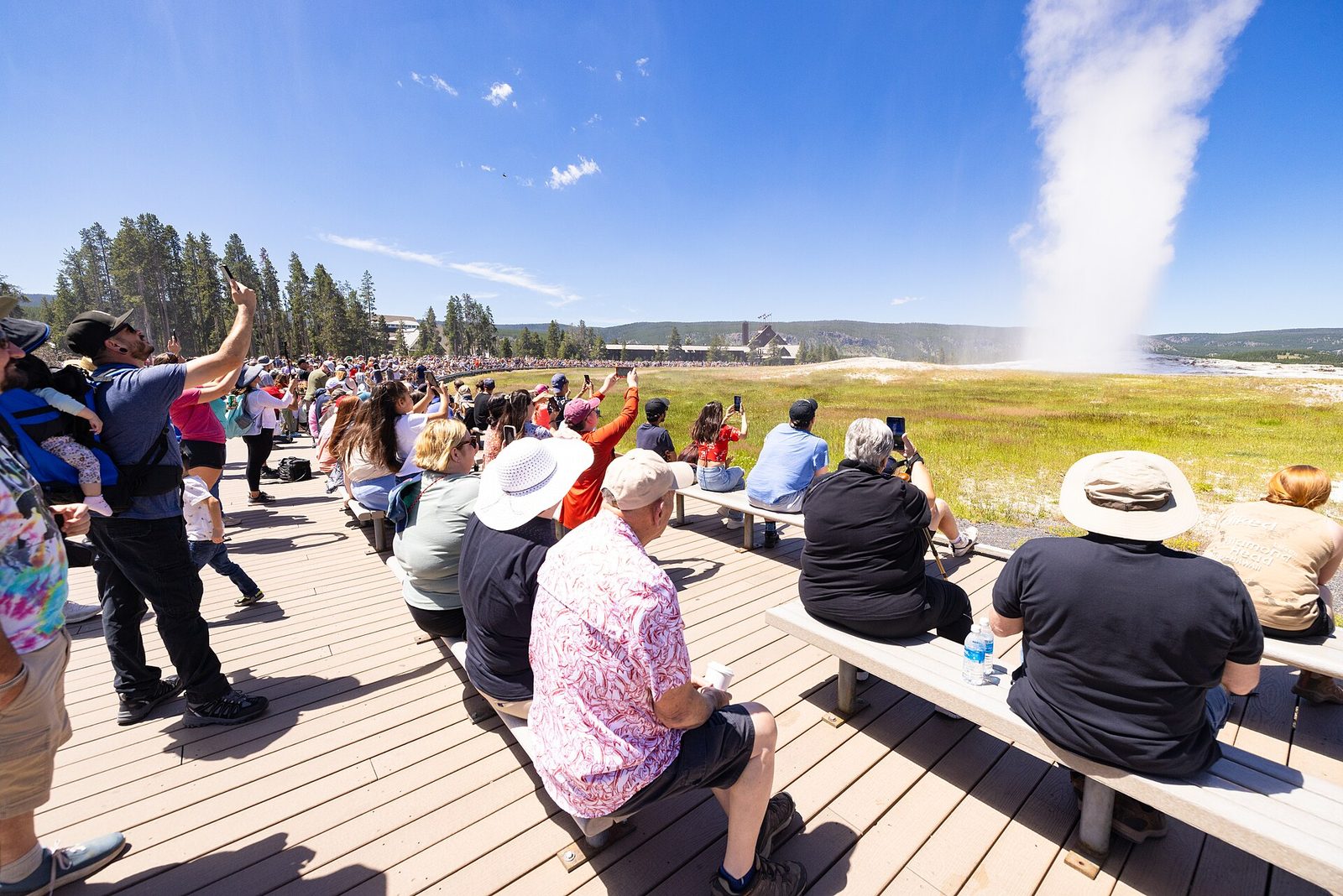
On March 1, 1872, President Ulysses S. Grant signed a law setting Yellowstone apart as a public park "for the benefit and enjoyment of the people," and the world's first national park was born. Forty-four years later, on August 25, 1916, President Woodrow Wilson signed the act creating the National Park Service to look after the parks that had followed. Today the agency cares for more than 400 sites, and the idea behind them is still delightfully simple: these places belong to your family, too.
Passes, reservation windows and rules have a way of burying that simplicity, and 2026 changed more than most years. This guide walks through what is current as of October 2026, what it costs, and how to build a park day that works for small legs and short attention spans.
The passes: what changed in 2026
Most parks charge an entrance fee per vehicle or per person. If you will visit more than a couple of fee-charging parks in a year, an annual pass usually pays for itself.
As of October 2026, the National Park Service passes page lists the America the Beautiful annual pass at $80 for U.S. residents and $250 for nonresidents. The two-tier pricing is new: the Department of the Interior announced it on November 25, 2025, effective January 1, 2026. The same announcement brought digital passes you can buy on Recreation.gov and keep on your phone.
The pass covers entrance and standard day-use fees. At parks that charge per vehicle, it covers everyone in your private car. At parks that charge per person, it covers the passholder plus three other adults. Kids are easy: children 15 and younger are not charged entrance fees at all.
If you have international guests along
Traveling with grandparents or cousins who live abroad? Since January 1, 2026, nonresidents aged 16 and older pay an extra $100 per person on top of the regular entrance fee at 11 of the busiest parks: Acadia, Bryce Canyon, Everglades, Glacier, Grand Canyon, Grand Teton, Rocky Mountain, Sequoia & Kings Canyon, Yellowstone, Yosemite and Zion. A valid annual pass covers that fee for everyone it admits, so if your car includes a nonresident adult, one pass may be the cheapest way in.
Fee-free days left this year
The NPS sets a handful of free-entrance days each year. In 2026 they are for U.S. citizens and residents only. Two remain on the 2026 list: October 27 (Theodore Roosevelt's birthday) and November 11 (Veterans Day). Expect parks to be busier than usual on those days.
Every Kid Outdoors: a free pass for fourth graders
If you have a fourth grader, this is the best deal in family travel. Through Every Kid Outdoors, U.S. fourth graders, including home-schooled and free-choice learners who are 10 years old, can get a free pass that opens hundreds of federal parks, lands and waters.
How it works:
- Your child goes to everykidoutdoors.gov and completes a short online activity.
- You print the personalized paper voucher. The NPS also points to a digital option on Recreation.gov.
- At a participating site, the voucher can be exchanged for a pass.
According to the program's official FAQ brochure, the pass runs from September 1 through August 31 of the child's fourth-grade year. So a child in fourth grade right now has until August 31, 2027. At per-vehicle sites, everyone in the car with the fourth grader gets in free. At per-person sites, the child plus up to three adults are admitted. The fourth grader must be present, the pass cannot be loaned out, and it does not cover extras like camping or special tours. The program's own site also notes that not every location accepts the paper pass, so call ahead if you are unsure.
The Junior Ranger program: the secret weapon
Ask any park-going parent what keeps kids engaged and you will hear the same two words: Junior Ranger. The NPS describes the program as a three-step deal. You visit a park, your child works through activities (usually in a free booklet from the visitor center), and then they take a pledge to stay safe and keep learning. Most parks offer it, and the reward is a Junior Ranger badge or similar keepsake.
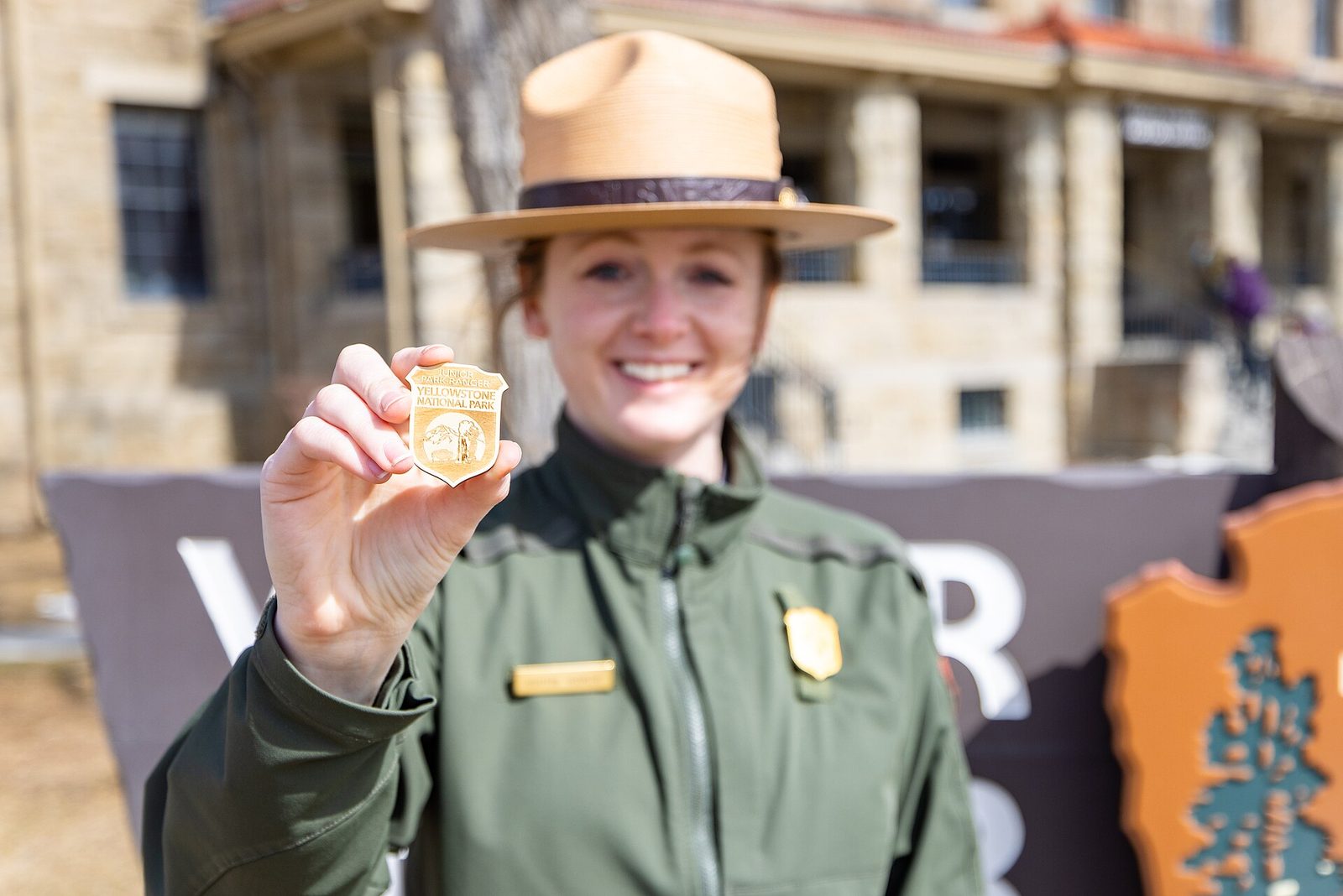
Why it works so well:
- It gives the day a purpose. "Find three animals and draw them" turns a scenic drive into a scavenger hunt.
- It slows you down in a good way. Kids read exhibit signs to find answers, which means you actually see the visitor center.
Practical tips: pick up the booklet on your first stop, not your last. Bring a clipboard or hard-cover notebook and a few pencils. Budget time at the end of the day to get back to a visitor center before it closes so a ranger can review the booklet. The program is open to people of all ages, so teens and grown-ups can join in.
Reservations and timed entry in 2026
The biggest planning surprise of 2026 was how many parks dropped reservation systems. In a February 18, 2026 announcement, the NPS said Arches, Glacier and Yosemite would not require broad timed-entry or vehicle reservations this year, while Rocky Mountain would keep its system. Here's where the best-known parks stand as of October 2026:
| Park | 2026 status | Details |
|---|---|---|
| Rocky Mountain (CO) | Timed entry required in season | 9 a.m.–2 p.m. through Oct. 12; Bear Lake Road 5 a.m.–6 p.m. through Oct. 18 (NPS) |
| Acadia (ME) | Reservation for Cadillac Summit Road | May 20–Oct. 25, 2026, $6, online only (NPS) |
| Haleakalā (HI) | Sunrise reservation required | For entry 3–7 a.m.; book up to 60 days ahead (NPS) |
| Arches (UT) | No timed entry in 2026 | Fiery Furnace hikes and Devils Garden Campground still need reservations (NPS) |
| Glacier (MT) | No vehicle reservations in 2026 | Pilot of a ticketed Logan Pass shuttle and three-hour Logan Pass parking (NPS) |
| Yosemite (CA) | No advance reservations in 2026 | Per the NPS February announcement |
At Rocky Mountain, the only cost of a timed-entry reservation is a $2 Recreation.gov processing fee, and 40 percent of each day's slots are released at 7 p.m. MDT the evening before. That's handy if your plans firm up late.
"No reservation required" does not mean "no crowds." Arches warns visitors to expect entrance lines and limited parking at busy times. With kids, the fix is the same everywhere: arrive early, or come back in the evening.
Safety basics every family should know
Water and heat
The Grand Canyon's hiking guidance is blunt: hiking hard routes between 10 a.m. and 4 p.m. in summer is strongly discouraged, and most heat-illness rescues happen in that window. The park recommends sipping water regularly even when you're not thirsty and eating salty snacks like pretzels and crackers to balance it. Kids won't always tell you they're thirsty, so build in drink breaks at every bench, overlook or trail sign. Remember that coming back up a canyon trail is the hard half.
Wildlife distance
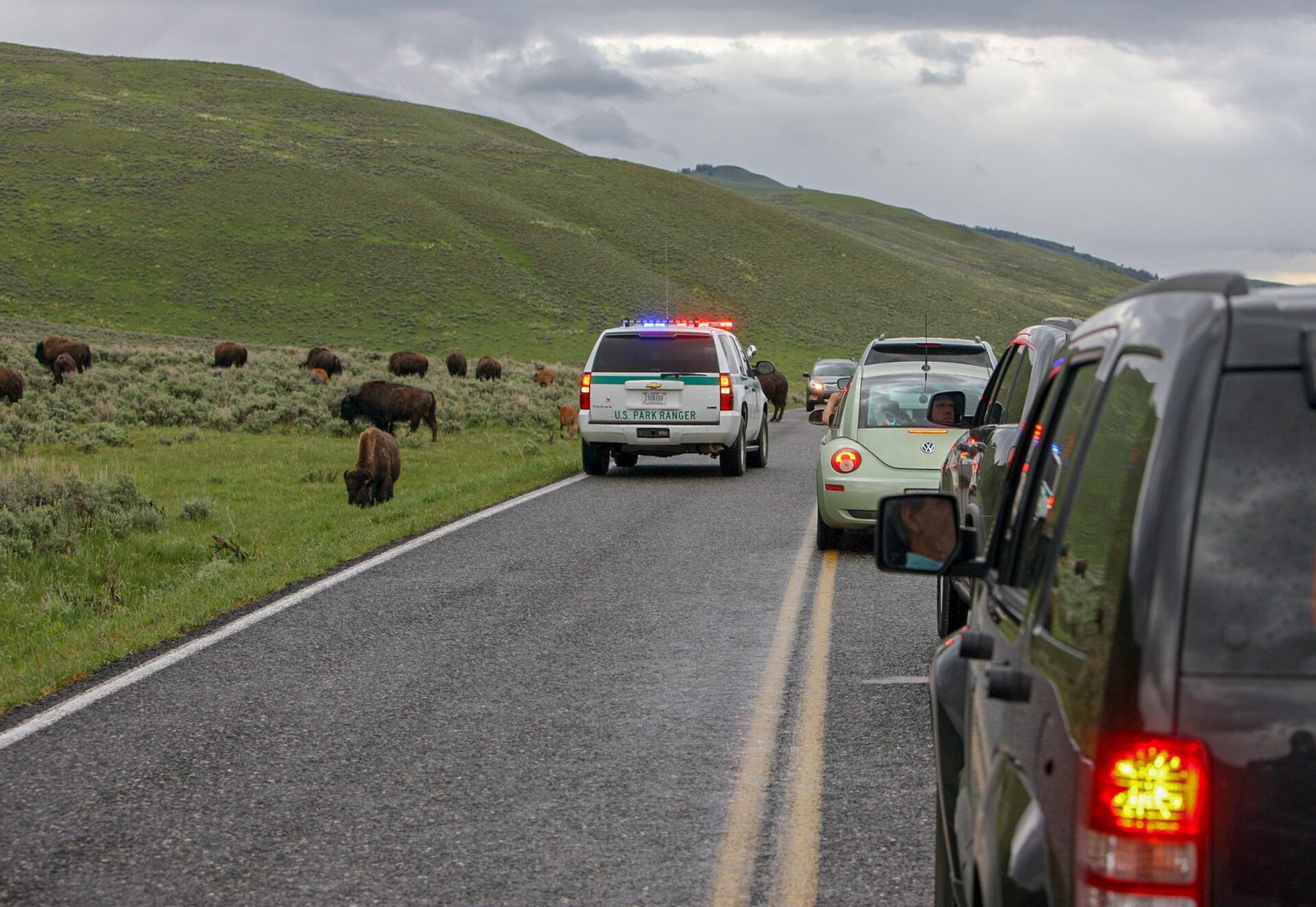
Animals are why many kids want to go, and they are also where families get into trouble. Yellowstone's rule is at least 100 yards from bears, wolves and cougars, and 25 yards from all other wildlife, including bison and elk. If an animal comes toward you, back away. A simple way to explain it to kids: 25 yards is about two school buses parked end to end, and 100 yards is a whole football field.
Boardwalks and thermal areas
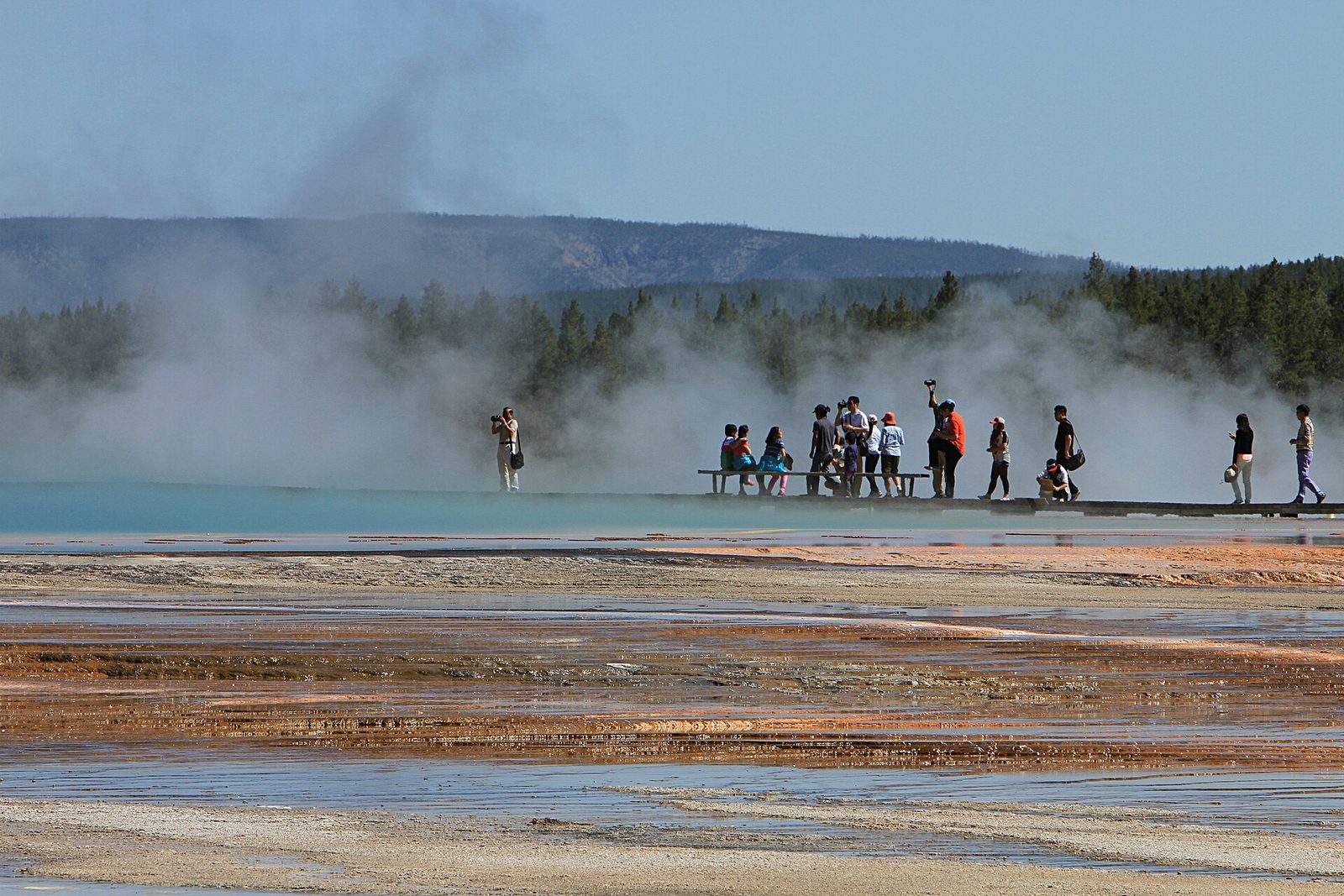
In geyser country, the ground itself can be dangerous. Yellowstone tells families to stay on boardwalks, never touch thermal features or even their runoff, and to keep children close and not let them run on boardwalks. Hold hands near the edges, especially with toddlers who like to dart.
A sample park day with kids
Every park is different, but this rhythm works almost anywhere:
- Early morning: Leave the hotel or campsite early with breakfast packed. Early starts beat the heat, the parking crunch and, at Rocky Mountain, the 9 a.m. timed-entry window.
- First stop, the visitor center: Bathrooms, maps, the day's ranger program schedule and the Junior Ranger booklet.
- Mid-morning: One "big" thing while everyone is fresh, like a short hike to a viewpoint, a waterfall or a geyser. Choose a trail by its least patient hiker, not its most eager.
- Lunch in the shade: A picnic at a pullout or picnic area. Let the kids work on their booklets here.
- Early afternoon: Rest time, especially in hot parks. Driving between viewpoints with the air conditioning on counts, and so does nap time.
- Late afternoon: A ranger talk or a short nature walk. Light is softer, animals are more active, and trails empty out.
- Before closing: Back to a visitor center to swear in your new Junior Ranger.
- Evening: Dinner, then stars. Arches, for one, is an International Dark Sky Park that encourages after-hours visits, and a night sky with no city glow is something kids remember.
Your pre-trip checklist
- Annual pass bought (or Every Kid Outdoors voucher printed) and saved on a phone
- Reservation needs checked on the park's own nps.gov page within the last week
- Recreation.gov account set up and payment saved before booking windows open
- Junior Ranger plan: which visitor center first, pencils, clipboard
- Refillable water bottles for everyone, plus salty snacks
- Wildlife distance talk done in the car, before anyone spots a bison
- Offline maps downloaded, since cell service is spotty in many parks
Rules shift from season to season, so the park's own page is always the final word. Keeping passes, reservation times and each day's plan together in one shared trip planner like Vacation Hub saves a lot of scrolling at the entrance gate. After that, the hard part is done. Pack the snacks, start early, and let your kids lead you to the next sign or the next viewpoint.
Keep planning
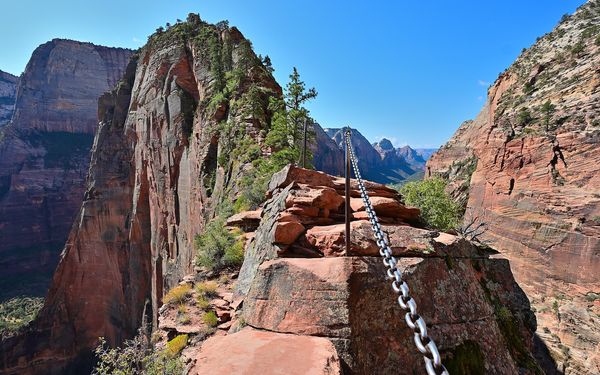
National Parks With Teens: Big Hikes, Permit Deadlines and Fall's Free Days
National parks with teens this fall: the Angels Landing winter lottery (closes Oct 20), free entry Oct 27 and Nov 11, and how to give teens the wheel.
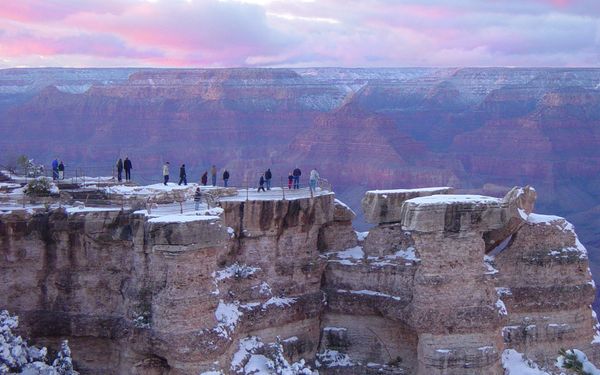
Grand Canyon With Kids in Fall and Winter 2026: South Rim, North Rim and Where to Stay
Visiting the Grand Canyon with kids this fall or winter? 2026 North Rim closure dates, South Rim lodging and water updates, kid-safe viewpoints and Junior Ranger tips.
Thanksgiving on a Budget for Big Families: Fly, Drive or Stay Put in 2026?
A Thanksgiving budget for big families in 2026: real airfare, gas and bag-fee numbers, fly-vs-drive math for a family of six, and where large families save most.