Flying With a Baby or Toddler: The Calm-Parent Playbook
Flying with a baby or toddler? Lap infant vs. own seat, FAA car seat rules, airline age limits, TSA formula rules, ear pressure and a diaper-bag checklist.
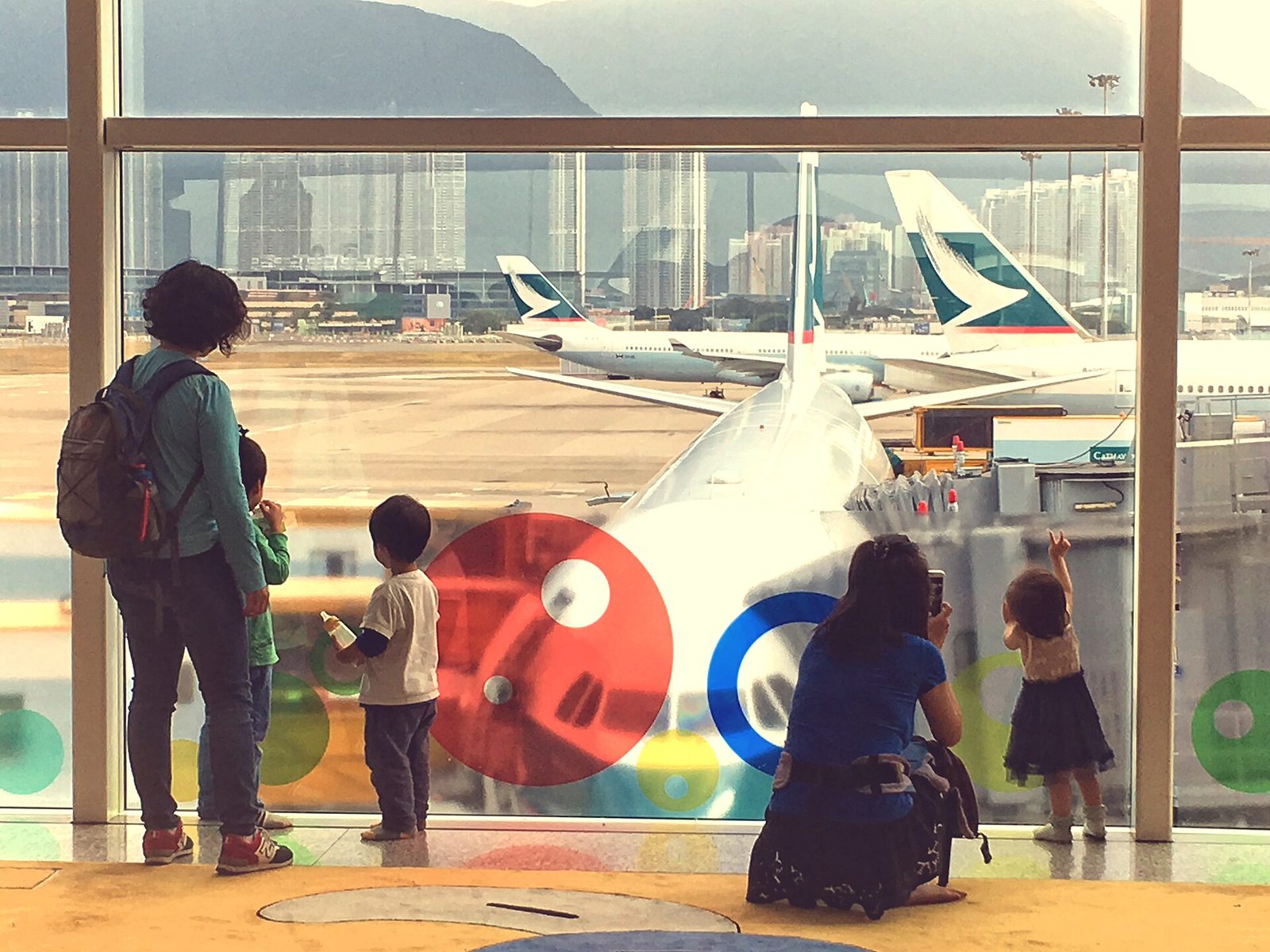
The first flight with a baby can feel like a final exam you never studied for. In practice, most of what makes a flight with a little one go well is decided days before you reach the airport: where your child will sit, how you'll get the stroller and car seat to the plane, what goes through security, and when you fly.
The rules below come from the FAA, the TSA and the airlines themselves, current as of October 2026. Policies change, so recheck your airline's page before you book.
Lap infant or their own seat?
On U.S. airlines a child under two can usually fly as a "lap infant," held by an adult instead of sitting in their own seat. Within the United States that's normally free. Delta, for example, lets lap infants ride free on domestic flights. On international trips it generally charges 10% of the adult fare plus taxes and fees.
The safety advice points the other way, though. The FAA's guidance for parents says the safest place for a child under two is an approved child restraint system (CRS) or device, not a lap. It notes that your arms can't hold a child securely, especially in sudden turbulence. The FAA "strongly urges" families to use an approved restraint for the whole flight. It also points out that buying your child a ticket is the only way to be sure you can use one.
So the trade-off is money against safety and comfort; a purchased seat also gives a wriggly one-year-old room to nap and play. If the budget won't stretch for every flight, some families buy a seat for the long legs and use the lap option on short hops.
The airline age rules that catch parents out
Each airline sets its own fine print. Here's how three big U.S. carriers handle it:
| Airline | Youngest age to fly | Lap-infant age limit | Worth knowing |
|---|---|---|---|
| American | 2 days old; under 7 days needs a doctor's letter | Under 2 for the whole trip | If your child turns 2 mid-trip, they need their own seat for the rest of it |
| Delta | Under 7 days only with a physician's approval letter | Under 2 | A child who turns 2 during the trip needs a ticket |
| Southwest | Over 14 days | Under 2, with an adult 18 or older | Accepts only government-issued proof of age (such as a birth certificate or passport); screenshots and photos are not accepted |
All three allow only one lap infant per adult. If you're flying alone with twins, one of them needs a ticket. Pack a copy of your baby's birth certificate even on domestic flights. Airlines can ask for proof of age, and if you can't show it, Southwest says you'll have to buy your child a ticket.
Car seats on the plane: what's allowed
If you do buy a seat, you can usually bring the car seat you already own. Look for the label: the FAA says it must read "This restraint is certified for use in motor vehicles and aircraft" (or carry an approved foreign-government marking). Check the manual too, to make sure the seat can be properly secured with an airplane lap belt. Otherwise you may be asked to check it as baggage.
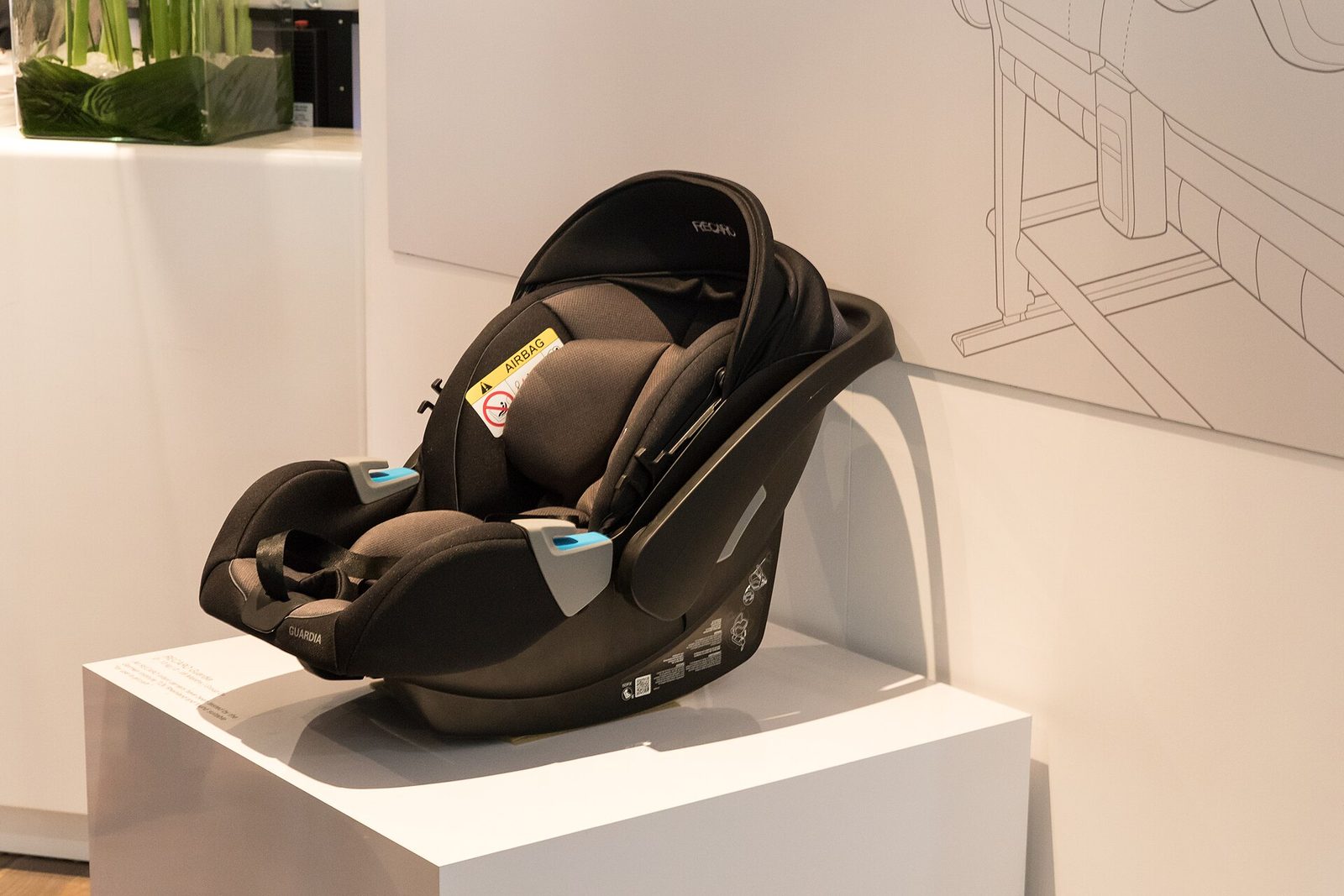
A few rules from the FAA and the airlines are worth knowing before you board:
- Window seat is best. Delta calls the window the preferred spot for a car seat and says not to put one in an aisle seat or an emergency exit row. Southwest also bars aisle seats and prefers the window.
- No boosters, carriers or backless seats for takeoff and landing. The FAA prohibits booster seats, baby carriers and backless restraints during taxi, takeoff and landing. Your baby carrier is great in the terminal, but your baby has to come out of it for those parts of the flight.
- If it doesn't fit, it's the airline's problem. When an approved car seat with a purchased ticket won't fit a particular seat, the FAA says the airline must find another seat for it in the same class of service.
- Airbag seat belts are off-limits for under-twos. Delta notes that FAA rules don't allow children under two in seats with airbag seat belts. If you're unsure whether your row has them, ask the airline when you book.
The CARES harness for toddlers
Once your child can sit up on their own facing forward, there's a lighter option. The FAA says the CARES harness from AmSafe is certified for children who weigh 22 to 44 pounds and are up to 40 inches tall, sitting in their own seat. It loops around the seat back and works with the airplane's lap belt. It's approved for every phase of flight, but only on aircraft, so you'll still need a car seat at your destination. The FAA also warns about counterfeit CARES devices sold online and recommends buying direct from the manufacturer.
Strollers and car seats: gate-check or counter-check?
U.S. airlines generally let families bring baby gear without paying bag fees:
- American lets each ticketed customer travelling with a child check one stroller and one car seat free. Most strollers should be checked at the gate. Non-collapsible strollers and stroller wagons without built-in safety straps must go at the ticket counter.
- Southwest allows one stroller and one car seat per child free of charge. Portable cribs and pack-and-plays count as regular bags.
Gate-checking the stroller is usually worth it. You keep wheels under the baby (and the bags) all the way to the aircraft door, and on many flights it's handed back near the aircraft door when you land (ask the gate agent where to collect it). Remove loose cup holders and toys, and label it with your name and phone number.
At security, strollers, baby carriers, car seats and booster seats all go through the X-ray. The TSA will have you take your baby out and carry them through the walk-through metal detector. Fold the stroller while you're still in line, and the bins stop piling up behind you.
Getting formula, breast milk and baby food through security
This rule is friendlier than many parents think. According to the TSA's page on traveling with children:
- Formula, breast milk, toddler drinks and baby or toddler food (including puree pouches) are allowed in carry-ons in amounts over 3.4 oz. TSA treats them as medically necessary liquids, so they don't need to fit in your quart-size bag.
- Tell the officer at the start of screening that you're carrying them, and take them out of your bag to be screened separately. TSA may test the liquids, but says screening won't involve putting anything into them.
- Ice packs, freezer packs, gel packs and liquid-filled teethers are allowed, whether or not you're carrying breast milk.
- You don't need your baby with you to bring breast milk and cooling accessories. That's handy for a pumping parent travelling solo.
- If you'd rather your milk or food not be X-rayed, tell the officer. Other screening steps may then be needed.
Clear bottles help the process along, because the TSA notes that liquids in plastic bags or pouches may need extra screening. If anyone in the family needs help at the checkpoint, TSA Cares takes calls at (855) 787-2227. The TSA suggests calling about 72 hours before you travel.
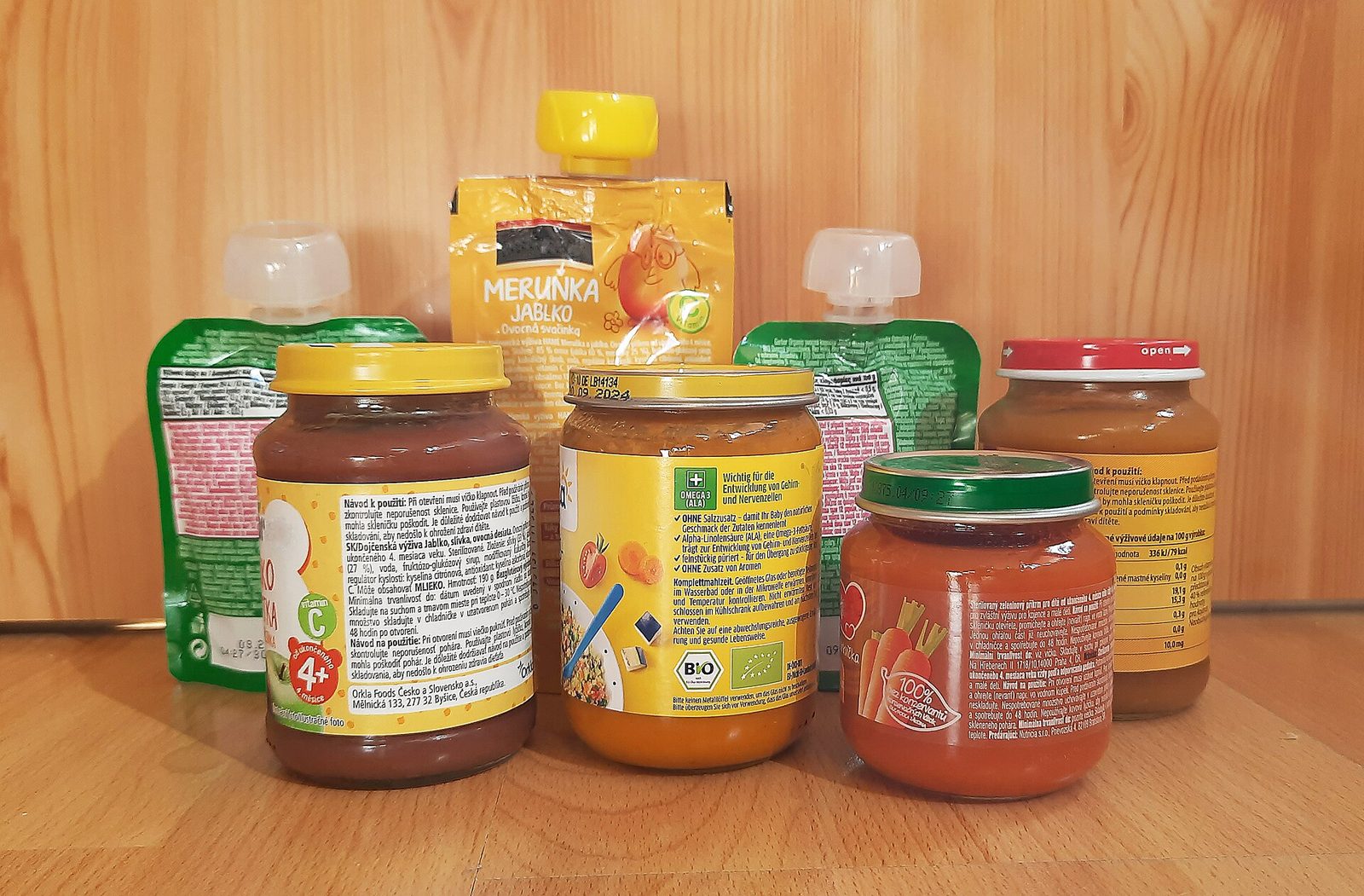
On American, a breast pump and a small soft-sided cooler of breast milk don't count toward your carry-on or personal item. If you fly another airline, check its page before you pack.
Ear pressure on takeoff and landing
Babies can't "pop" their ears on purpose, and the pressure change can hurt. Swallowing helps open the tubes that even out the pressure. KidsHealth from Nemours suggests giving a baby a bottle or pacifier, or breastfeeding, during takeoff and landing. If you're bottle-feeding, keep your baby sitting upright. It also notes that we swallow less while asleep, which is why staying awake for takeoff and landing helps.
A few practical ways to make that work:
- Save the feed. If you can, hold off a bottle or nursing session until the plane starts its takeoff roll. Landing is the one parents forget: the descent starts well before the wheels touch down, so begin feeding when the crew announces it, not when you see the runway.
- Toddlers can sip or snack. A sippy cup of water, a pouch or a chewy snack all get little jaws working.
- Ask the doctor about ear infections. If your child has an ear infection, KidsHealth says your doctor may recommend delaying the trip if you can. A quick call before a big trip is worth it.
Timing flights around naps
No rule covers this one, so think about your child's day before you pick a flight time:
- Early-morning flights often catch a baby fresh and cheerful. The cost is a pre-dawn wake-up.
- Flights that line up with a long nap can work beautifully for babies who sleep anywhere. Board, feed through takeoff, and let the engine noise do the rest.
- Late-afternoon flights can land right in the witching hour for many toddlers, so pack extra snacks and patience.
- Red-eyes are a gamble: some kids sleep the whole way, others don't.
Whatever you choose, leave extra time for the diaper change or stubborn stroller that always seems to happen at the worst moment.
The diaper-bag checklist
Pack the diaper bag as if your checked bag might not turn up until tomorrow. Then you're ready for delays, diversions and blowouts. (American allows one carry-on diaper bag per child. On Southwest, a lap child may not check or carry on any baggage of their own. Check your airline's limits.)
- Diapers: one per hour of travel, plus a few extra for delays
- Wipes and a small pack of disposable changing pads
- Two full changes of clothes for the baby, plus a spare shirt for you
- Formula, breast milk or baby food for the trip plus extra for delays (tell TSA at screening)
- Bottles, nipples, a pacifier and a spare pacifier on a clip
- Snacks and a sippy cup for toddlers
- A light blanket or swaddle (planes can get cold)
- A few small toys or books, new ones if possible, brought out one at a time
- A copy of your baby's birth certificate or passport for proof of age
- Any medicines your child needs, plus your pediatrician's phone number
- Zip-top bags for wet clothes and dirty diapers
- A phone or tablet with downloaded shows and kid-sized headphones
The bottom line
Flying with a baby or toddler isn't about a perfect flight; it's about removing the surprises you can control. Decide early between a lap seat and a purchased seat, check the car seat label, know your airline's rules, and pack for a long day. It also helps to keep flight times, confirmation numbers and that diaper-bag list in one shared place, such as a family trip planner, so whoever is holding the baby isn't also digging for a boarding pass.
Keep planning
Your Kid's First Flight: How to Prepare a First-Time Flyer Before Thanksgiving
Your kid's first flight, step by step: practice at home, what TSA does with children, ear-popping fixes, the best seat and a checklist before Thanksgiving.
Thanksgiving Travel 2026 With Kids: The Busiest Days, When to Leave and Airport Tips
Thanksgiving travel 2026 with kids: the busiest days to fly and drive, the best times to leave, when to book flights and TSA tips for families with pies.

Flying With Holiday Gifts: TSA Rules, Shipping Ahead and Checked-Bag Tips
Flying with holiday gifts this year? TSA rules on wrapped presents, snow globes and food, the 2026 USPS shipping dates, and when to ship, pack or check gifts.