The Family Vacation Packing Checklist (Printable, Person by Person)
A printable family vacation packing checklist for parents, kids and babies, plus documents, health kit, tech, and car, plane, beach and cold-weather add-ons.
If your last family trip started with someone wrestling off sneakers at the airport checkpoint, here's some good news: on July 8, 2025, DHS announced that passengers at domestic airports can keep their shoes on during TSA screening. (TSA's family page also says children who appear to be 12 and under can leave on shoes, light jackets and hats.) One less thing to juggle at security.
The rest of the juggling happens at home, the night before you leave, with a pile of laundry and a nagging feeling you've forgotten something. This checklist is meant to fix that. It's organized by person and by category, so you can print it, hand a section to each kid old enough to read, and check things off as they land in the bag.
Use what fits your trip and skip what doesn't. A weekend at the grandparents' needs a fraction of this list. A week at the beach with a baby needs most of it.
How to use this checklist
- Print it a week out, not the night before. That gives you time to buy or wash what's missing.
- Give each child their own section. Kids 6 and up can usually pack their own clothes from a list, and you check afterward.
- Pack by person, then by category. One bag or packing cube per person keeps mornings sane.
- Keep a "last-minute" list on the door: phone chargers, the lovey, medications from the fridge.
Documents and money
Put these in one zip pouch in a parent's personal item, never in a checked bag.
- Photo ID for each adult (REAL ID-compliant or another TSA-accepted ID)
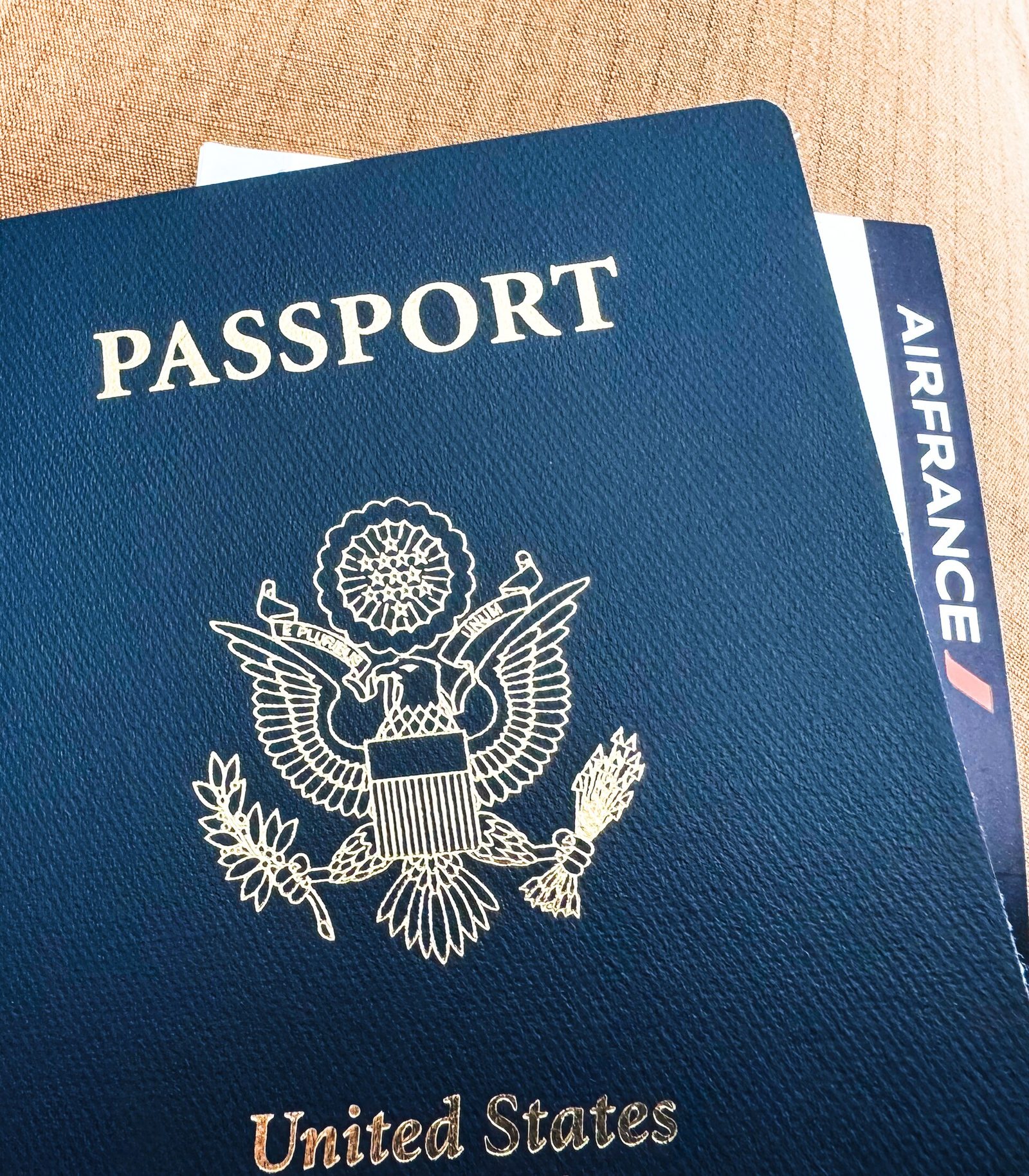
- Passports for every traveler on international trips, including babies
- Boarding passes or the airline app, downloaded and logged in
- Hotel, rental-car and activity confirmations (screenshots work offline)
- Health insurance cards for everyone
- Credit card plus a backup card kept in a different bag
- A little cash for tips and small vendors
- Emergency contact card in each child's backpack
- Copies or photos of passports and IDs, stored separately from the originals
A few current rules worth knowing. Since May 7, 2025, TSA no longer accepts non-REAL ID state licenses at checkpoints, and starting February 1, 2026, travelers without acceptable ID may pay a $45 fee to use TSA ConfirmID. TSA does not require children under 18 to show ID when traveling within the United States, though airlines may have their own rules. For international trips, US passports for children under 16 are valid for five years and both parents or guardians generally need to consent to the application, so check expiration dates well before you book.
Parents
Adults tend to pack for kids first and themselves at 11 p.m. Do yours first, while you're still thinking clearly.
- Tops that mix and match (one per day, or fewer if you'll do laundry)
- Two or three bottoms
- Underwear and socks for each day, plus one spare
- Pajamas
- A warm layer and a packable rain jacket
- Comfortable walking shoes (worn on travel day) plus one other pair
- Swimsuit and cover-up
- Toiletries in a quart bag for carry-ons
- Glasses, contacts and solution
- Sunglasses and a hat
- A spare shirt in your personal item (for the inevitable spill)
- Reusable water bottle
Kids (roughly ages 4 to 12)
Let kids choose within limits: "pick five shirts from this pile" works better than "pack your clothes."
- One outfit per day, plus one spare
- Underwear and socks for each day, plus two spares
- Pajamas
- Hoodie or fleece
- Rain jacket
- Sneakers (worn) plus sandals or water shoes
- Swimsuit, and goggles if they use them
- Hat and kid sunglasses
- Toothbrush and kid toothpaste
- Comfort item or stuffed animal
- Their own backpack with headphones, a book or tablet, and a small activity kit
- Refillable water bottle (empty for security)
- Snacks they chose themselves
Kids' backpacks should stay light. The American Academy of Pediatrics advises keeping a backpack under 15% of a child's body weight.
Baby and toddler
Babies need the most stuff in the smallest bodies. Pack this section into the diaper bag and a dedicated cube.
- Diapers: one per hour of travel day, plus a day's extra
- Wipes, diaper cream and a portable changing pad
- Two or three outfits per day (blowouts happen)
- Sleep sacks or pajamas
- Formula, breast milk or baby food for the trip plus a buffer
- Bottles, nipples and a small bottle brush
- Bibs and a few burp cloths
- Pacifiers, plus a backup on a clip
- Teething toy
- Baby carrier or wrap
- Stroller and car seat (or confirm your rental has them)
- Portable white-noise machine or app
- Favorite board books and two or three small toys
- Zip-top bags for dirty clothes
Feeding on the plane is easier than many parents expect. TSA says formula, breast milk and juice in quantities over 3.4 ounces are allowed in carry-ons and don't need to fit in the quart-size bag. Tell the officer at the start of screening and take them out to be screened separately. Ice packs, freezer packs and gel packs used to keep them cool are allowed as well. Many airlines also exempt baby gear from your allowance; American, for example, says diaper bags (one per child), breast pumps, and car seats and strollers don't count as your personal item or carry-on.
Family health kit
A small kit you can reach on the plane or in the car saves a midnight pharmacy run. Ask your pediatrician which medications and doses are right for your kids before you go.
- Prescription medications, in original labeled containers
- Children's fever and pain reliever your pediatrician recommends, plus a dosing syringe
- Adult pain reliever
- Allergy medicine
- Bandages in a few sizes, and blister pads
- Antiseptic wipes and antibiotic ointment
- Thermometer
- Tweezers and nail clippers
- Motion-sickness remedies, if your family uses them
- Sunscreen and after-sun lotion
- Insect repellent
- Hand sanitizer and tissues
Medication rules at the airport are friendlier than many people think. TSA says pills and solid medication can go in your carry-on, and medically necessary liquids over 3.4 ounces are allowed if you declare them at the start of screening. TSA recommends clear labels, and state laws on some medications still apply.
Tech
- Phones and chargers
- A multi-port charger (fewer outlets to fight over)
- Power bank, charged
- Tablets with downloaded shows, movies and games (don't count on Wi-Fi)
- Kids' headphones, preferably volume-limited
- A headphone splitter for siblings sharing a screen
- Camera and memory card, if you bring one
- Plug adapters for international trips
Keep batteries and power banks with you: American Airlines notes that batteries and e-cigarettes can't be placed in checked bags, and you'll need to remove them if your carry-on is gate-checked.
Add-on lists by trip type
Plane add-ons
- Each child's backpack packed with a spare outfit
- Empty water bottles to fill after security
- Snacks in easy-open containers
- Wipes and a small trash bag
- Light blanket or sweatshirt per person
- Lollipops or something to sip for takeoff and landing
- An FAA-approved car seat if your child has their own seat
On that last item, the FAA's child-safety flyer (PDF) says the safest place on a plane for children under 2 is in an approved car seat or device based on the child's weight, and tells parents to look for the label "This restraint is certified for use in motor vehicles and aircraft."
Road-trip add-ons
- Car seats and boosters, checked for fit
- Car phone mount and charging cables
- Downloaded maps and playlists for dead zones
- Snack bin and a cooler with drinks
- Paper towels, wipes and trash bags
- Car-sickness kit: bags, wipes, a change of clothes
- Pillows and small blankets for naps
- Travel games, audiobooks or a podcast list
- Roadside emergency kit and a flashlight
Beach and pool add-ons
- Swimsuits (two per person if you swim daily)
- Rash guards and swim hats
- Reef-safe sunscreen if your destination requires it
- Beach towels, if your lodging doesn't provide them
- Water shoes
- Swim diapers for babies and toddlers
- Sand toys and a mesh bag to carry them
- A waterproof phone pouch
- A wet bag for soggy swimsuits
Cold-weather add-ons
- Insulated coats
- Base layers for each person
- Warm socks, several pairs
- Hats, gloves or mittens (plus spares for kids)
- Neck gaiters or scarves
- Waterproof boots
- Snow pants for snow trips
- Lip balm and a rich moisturizer
- Hand warmers
The night before you leave
- Charge every device and power bank
- Download shows, maps and boarding passes
- Put medications from the fridge on the "door list"
- Weigh the bags if you're checking any
- Set out travel-day outfits for everyone
- Take out the trash and adjust the thermostat
- Double-check passports and IDs are in the documents pouch
It also helps to keep this list somewhere the whole family can see and check off, whether that's a printout on the fridge or a shared trip planner like Vacation Hub. Either way, the goal is the same: walking out the door knowing you've got everything that matters, and that anything else can be bought when you get there.
Keep planning
First Snow Trip With Kids: The Packing List for Families Who Live Where It Never Snows
First snow trip with kids? A packing list for warm-climate families: three layers, mittens, what to rent or borrow, the car kit and the sunscreen nobody expects.
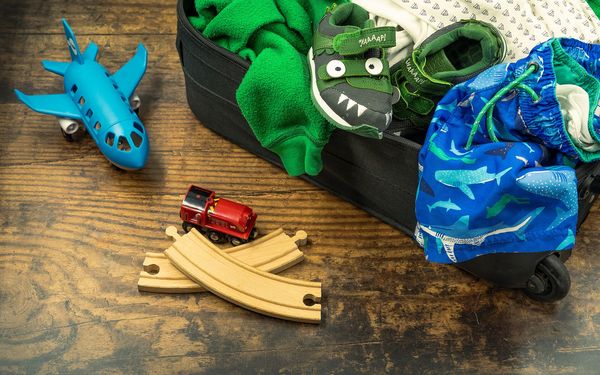
Carry-On Only With a Family of Five: One Bag Each, Zero Baggage Claim
How a family of five can travel carry-on only: one bag per person, what kids can carry, a laundry plan, TSA 3-1-1 liquids and basic economy traps.
Thanksgiving on a Budget for Big Families: Fly, Drive or Stay Put in 2026?
A Thanksgiving budget for big families in 2026: real airfare, gas and bag-fee numbers, fly-vs-drive math for a family of six, and where large families save most.