First Snow Trip With Kids: The Packing List for Families Who Live Where It Never Snows
First snow trip with kids? A packing list for warm-climate families: three layers, mittens, what to rent or borrow, the car kit and the sunscreen nobody expects.
The chairlift exists because of bananas.
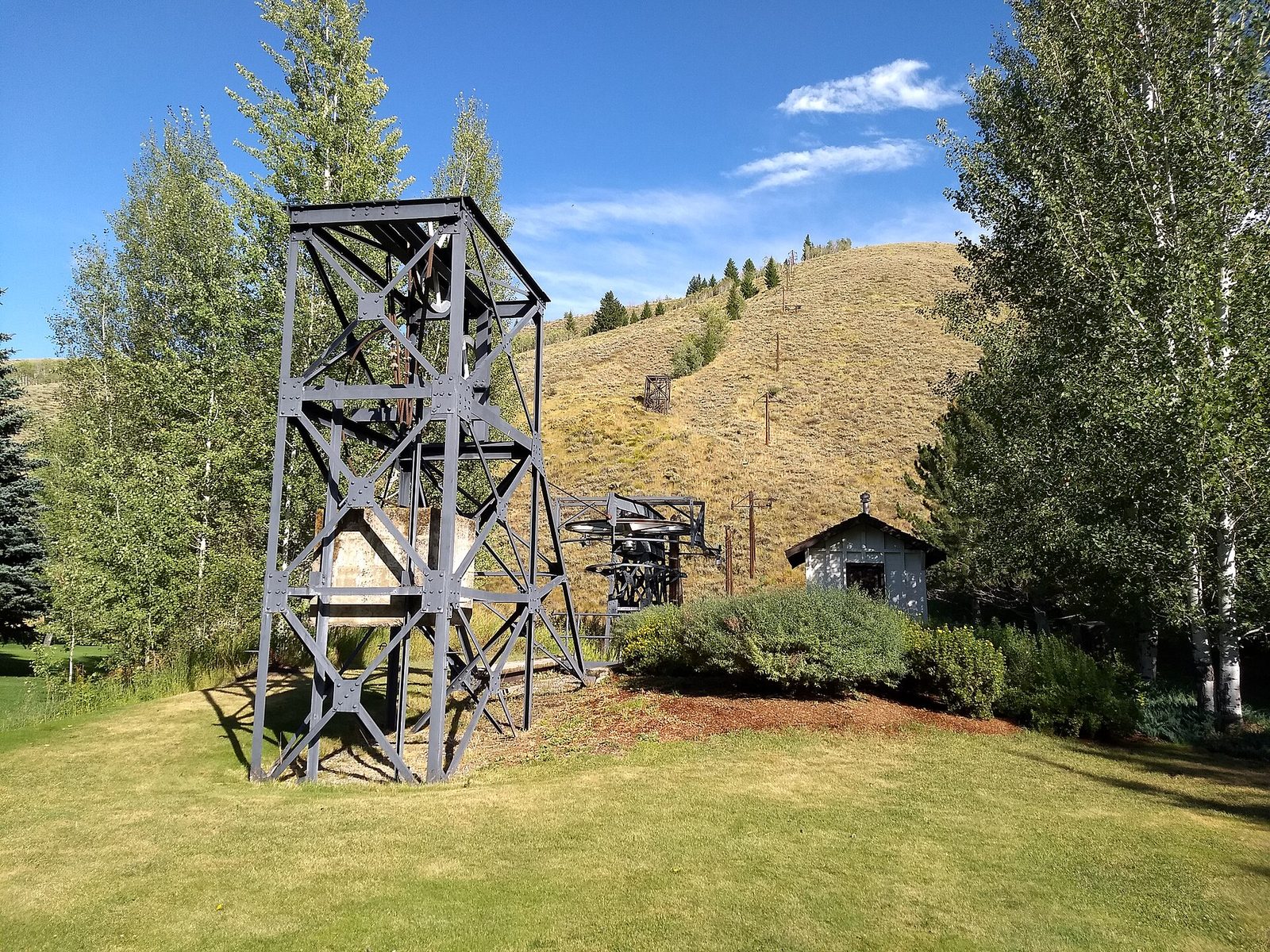
In 1936 the Union Pacific Railroad was building a ski resort in Idaho and needed a kinder way to get guests up a mountain. One of its engineers, a Nebraskan named James Curran, had seen the conveyor systems that loaded bananas onto ships. As Smithsonian Magazine tells it, he swapped the banana hooks for chairs and tested the idea in the rail yards of Omaha, a city with no ski hill at all. When Sun Valley opened in December 1936, it had the world's first chairlifts, on Proctor and Dollar mountains.
That was 90 years ago this December. And the whole point of the invention was to let people who did not grow up in the snow enjoy it anyway.
That is your family, if you live in Phoenix, Houston, Tampa, San Diego or anywhere else the kids have only seen snow in movies. The good news: a first snow trip does not take a closet full of gear. It takes the right dozen things, and most of them you can borrow or rent.
The timing is good too. Arizona Snowbowl near Flagstaff says its 2026/27 season is scheduled to open November 20, 2026, which is 38 days from today, and winter break follows a month later. Shop now and you beat the December rush on kids' sizes.
The one rule: stay dry, and warm takes care of itself
Warm-climate parents tend to pack for cold. The real enemy is wet.
Kids sit in snow, roll in snow and put snow down each other's necks. Snow melts on a warm child. A wet child gets cold fast, even on a sunny day. The CDC notes that hypothermia can happen even at cool temperatures when a person is wet and becomes chilled.
So every item on this list answers one question: does it keep water away from skin?
That is also why the American Academy of Pediatrics does not tell you to buy the thickest coat in the store. Its winter safety advice says several thin layers help keep kids warm and dry, that insulated boots, mittens or gloves and a hat are essential, and that children should change out of wet clothes right away.
The three layers, in plain English
A National Park Service winter clothing lesson breaks it into three jobs. Here is what each one means when you are standing in a store aisle.
| Layer | Its job | What to grab | What to skip |
|---|---|---|---|
| Inner (next to skin) | Pull sweat off the skin and dry fast | Long underwear top and bottom in polyester or wool | Cotton T-shirts and cotton leggings |
| Middle | Trap warm air | A fleece jacket or a wool sweater; fleece pants on very cold days | A cotton hoodie |
| Outer | Keep snow and wind out | Waterproof snow pants or a bib, and a waterproof jacket with a hood | Jeans, sweatpants, a "water-resistant" windbreaker |
The cotton warning is the one desert families miss, because cotton is what we live in. The Park Service lesson says the inner layer should wick moisture away from the skin and advises against cotton because it holds water. Jeans are cotton. A child in wet jeans is done for the day in about twenty minutes.
Three tips that save a morning:
- Snow pants matter more than the jacket. Kids spend the day sitting and kneeling. If you can only buy one waterproof thing, buy the pants. Bibs are best for small kids because snow cannot get in at the waist.
- Try everything on at home, all at once. A child who cannot bend their arms will refuse the whole outfit. Have them sit, squat and lift their knees.
- Dress in the parking lot, not at the hotel. Thirty minutes in a heated car in full snow gear means a sweaty kid, and sweat is just water that started on the inside.
Hands, feet and heads: where a snow day is won
Small parts get cold first. The National Weather Service warns that frostbite can happen in minutes, especially on fingers, toes, nose and ears.
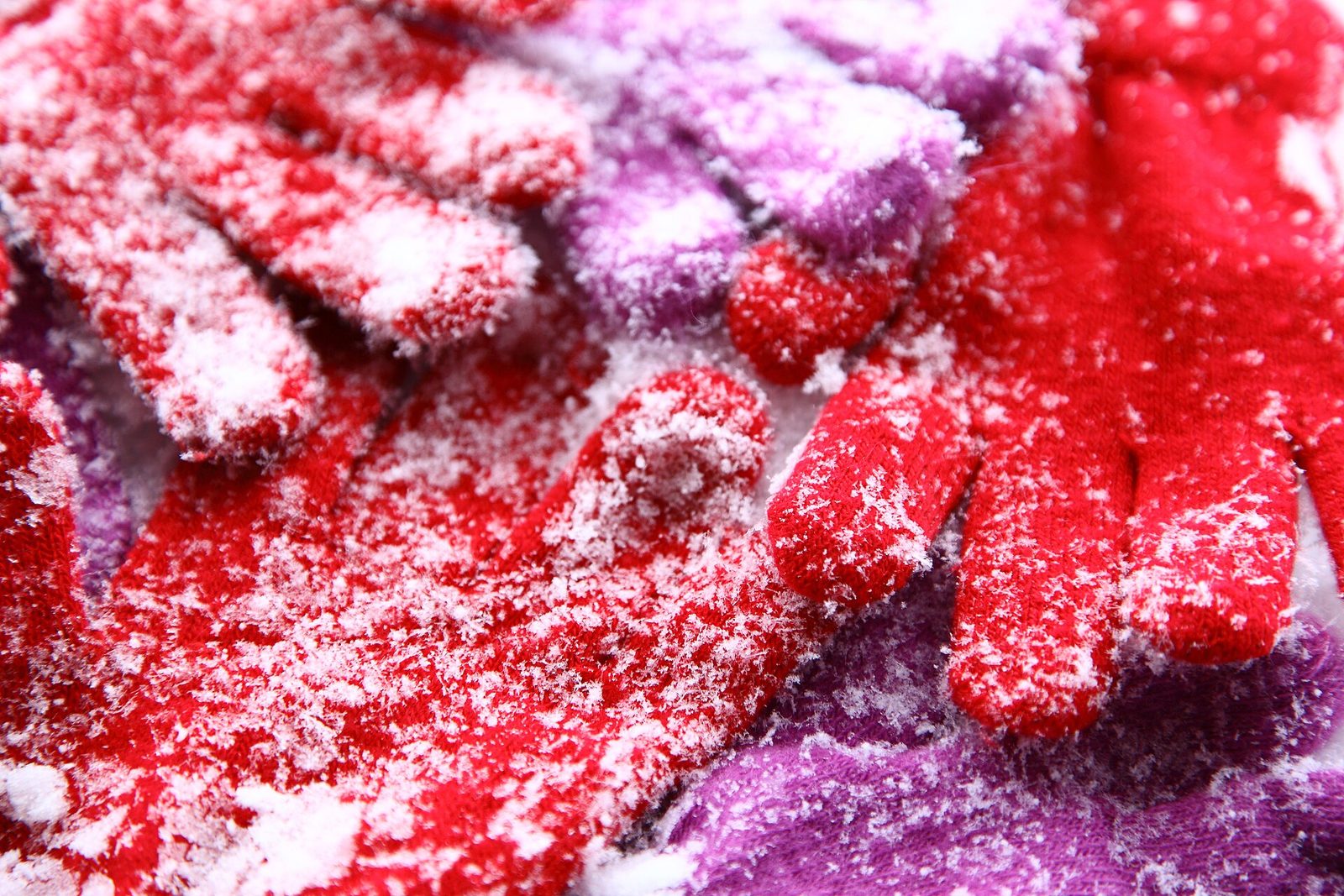
Hands. The Weather Service says it in five words: mittens are better than gloves. Fingers share heat when they are together. For kids, look for waterproof mittens with a long cuff that goes over the jacket sleeve. Knit gloves are for walking to school in Chicago. In wet snow they soak through in minutes.
Pack two pairs per child. This is the best snow-day advice there is. When pair one is soaked at 11 a.m., pair two keeps the day going.
Feet. One pair of tall wool or synthetic socks, not two pairs of cotton ones. Two pairs can squeeze the foot inside the boot. Boots should be waterproof and insulated, with room to wiggle toes. Rain boots are waterproof but not warm, and sneakers are neither.
Heads. A snug hat that covers the ears, plus a neck gaiter. A gaiter is a fleece tube that pulls up over the chin. It beats a scarf for kids because it cannot come untied or drag in the snow.
Know the warning signs. The CDC says redness or pain in any skin area may be the first sign of frostbite. Other signs are a white or grayish-yellow patch, skin that feels unusually firm or waxy, and numbness. If you see any of these, go inside. And follow the pediatricians' advice to plan regular indoor breaks before anyone asks for one. Hot chocolate every 60 to 90 minutes is not spoiling them. It is the plan.
The thing nobody from a sunny state expects: sunburn
You would think desert families have sun figured out. Snow changes the math.
The World Health Organization says snow can reflect as much as 80% of UV radiation, and that fresh snow almost doubles a person's UV exposure. It adds that UV levels rise by about 10 percent with every 1,000 meters (roughly 3,300 feet) of altitude. Ski hills are high and white, so the sun comes at your kids from above and below.
Pack:
- Sunscreen for faces, including under the chin and nose, where the reflected light lands
- Lip balm with SPF
- Sunglasses or goggles for everyone, toddlers included
Rent, borrow or buy?
Kids outgrow snow gear in one season, and a family that sees snow once a year should not own much of it.
| Item | Best move for a first trip |
|---|---|
| Skis, boards, ski boots | Rent at the hill |
| Helmet | Rent with the skis. The AAP says all skiers and snowboarders should wear helmets, and to consider one for sledding too |
| Snow pants, bibs, jackets | Borrow from a friend with older kids, or buy secondhand |
| Snow boots | Borrow or buy secondhand; check for cracks |
| Long underwear, wool socks | Buy. They fit for a couple of years and work as pajamas |
| Waterproof mittens, hat, gaiter | Buy, and buy the spare mittens |
| Sled | Buy a simple plastic one near the snow, or check whether your snow-play area rents them |
If the adults need gear too, our own store, AZ Sun Valley Sales, has had snow pants and a ski jacket in stock this week.
One more money note for Arizona and nearby families: as of October 2026, Snowbowl says Power Kids ages 12 and under ski free with no blackout dates. You still pay for rentals and lessons, and pass rules can change, so read the resort's page before you count on it.
The car is part of the packing list
Most first snow trips from a warm state are road trips, and the drive needs its own bag.
Car seats and puffy coats do not mix. The AAP's winter car seat tips explain that in a crash, a coat's fluffy padding flattens and leaves extra space under the harness. Buckle kids in thin layers, do the pinch test on the straps, then lay the coat or a blanket over the top. They can even wear the coat backwards over the buckled harness.
Pack a winter kit. The Arizona Department of Transportation's high-country checklist includes a fully charged cell phone, extra food and water, medications, a first-aid kit, a flashlight and batteries, extra blankets or clothes, an ice scraper, and kitty litter or sand for traction. It is a good list for any mountain road, in any state.
Add the family extras:
- A full dry outfit per child, socks and underwear included, in a bag that stays in the car
- A trash bag or plastic bin for wet gear on the ride home
- An old towel for wet seats and boots
- A thermos and snacks, because the line out of the snow-play lot can be long
If you are flying to the snow instead, wear the bulky boots and jackets on the plane to save bag space. Disposable hand warmers are fine either way: the TSA lists them as allowed in both carry-on and checked bags. Our carry-on only guide has more on fitting a family into small bags.
The printable first-snow checklist (per child)
- Long underwear top and bottom (not cotton)
- Fleece jacket or wool sweater
- Waterproof snow pants or bib
- Waterproof jacket with a hood
- Waterproof mittens, 2 pairs
- Tall wool or synthetic socks, 2 pairs
- Waterproof, insulated snow boots
- Hat that covers the ears
- Neck gaiter
- Sunglasses or goggles
- Sunscreen and SPF lip balm
- Hand warmers
- Helmet (rented is fine) for skiing, boarding and sledding
- Full dry outfit and shoes left in the car
For everything that is not snow gear, start from our person-by-person family packing checklist.
Keep the first day short
Honest limits: a first snow day is tiring in a way warm-weather kids have never felt. Walking in boots is work, the air is thin and dry at altitude, and the cold burns energy. Plan for two or three good hours, not eight. Leave while everyone is still happy, and the kids will beg to come back. That is the win.
If you are still picking where to go, our winter break trip ideas and Arizona winter getaways both have snow options within a day's drive of the desert.
When it is time to get organized, Vacation Hub keeps a packing list for every person in the family next to the trip's weather, so the spare mittens are on the list before the car is loaded. We are a small family business in Mesa, Arizona, a town that knows a lot more about sunscreen than snow pants, with real-person support from the owner, Johnathon Lawson: [email protected].
Keep planning
The Family Vacation Packing Checklist (Printable, Person by Person)
A printable family vacation packing checklist for parents, kids and babies, plus documents, health kit, tech, and car, plane, beach and cold-weather add-ons.
Carry-On Only With a Family of Five: One Bag Each, Zero Baggage Claim
How a family of five can travel carry-on only: one bag per person, what kids can carry, a laundry plan, TSA 3-1-1 liquids and basic economy traps.
Thanksgiving on a Budget for Big Families: Fly, Drive or Stay Put in 2026?
A Thanksgiving budget for big families in 2026: real airfare, gas and bag-fee numbers, fly-vs-drive math for a family of six, and where large families save most.