How to Plan a Family Trip Around Naps, Meals and Energy
How to structure a family trip day by day around kids' naps, meals and energy: one big thing a day, morning anchors, nap windows, rest days and time zones.
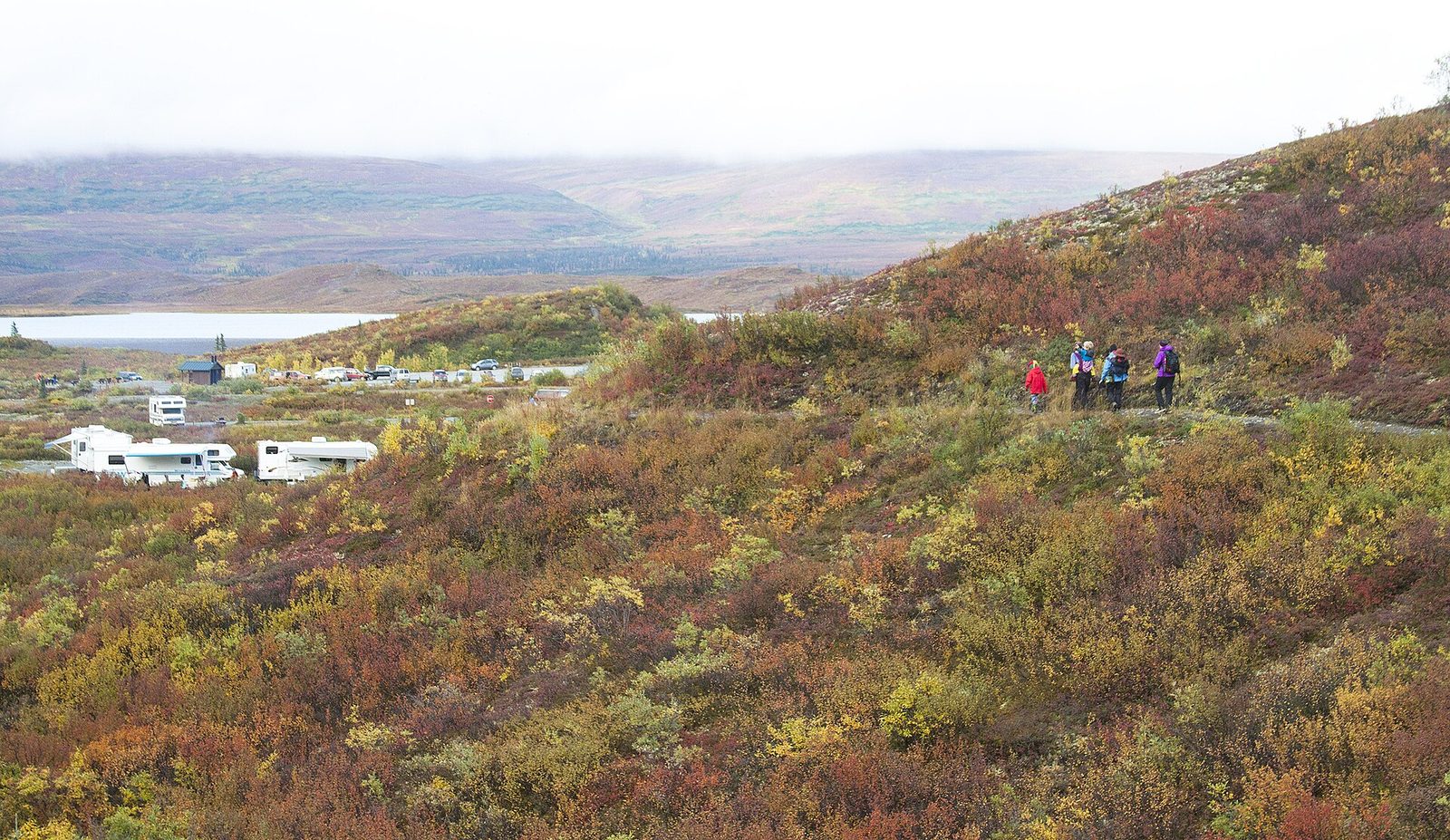
Most family trips don't go wrong because of the destination. They go wrong at about 3 p.m. on day two, when a skipped nap, a late lunch and one more "quick" stop meet in the middle of a crowded sidewalk. The fix is not a better destination. It is a better shape for each day.
Here is the thing worth knowing before you plan: children simply need a lot more sleep than adults. The CDC's recommended sleep hours by age are 11 to 14 hours a day (including naps) for toddlers ages 1 to 2, 10 to 13 hours (including naps) for preschoolers ages 3 to 5, and 9 to 12 hours for school-age kids 6 to 12. The American Academy of Pediatrics points parents to the same American Academy of Sleep Medicine guidelines. Questions about your own child's sleep belong with your pediatrician; for trip planning, the takeaway is simple. A toddler's vacation day has far fewer awake hours in it than yours, and the plan should be built around that, not squeezed around it.
| Age | CDC recommended sleep per 24 hours |
|---|---|
| 1–2 years | 11–14 hours (including naps) |
| 3–5 years | 10–13 hours (including naps) |
| 6–12 years | 9–12 hours |
| 13–17 years | 8–10 hours |
Rule one: one big thing per day
Pick a single "main event" for each day: the aquarium, the boat ride, the long hike, the theme park. Everything else that day is optional and small: a playground, a swim, an ice cream walk.
Why it works:
- Kids have a limited supply of patience for lines, rules and new places. One big outing uses most of it.
- It protects the main event. When you aren't racing to the next thing, you can stay longer at the part your kids love.
- It makes the trip easy to rearrange. If it rains, you swap two days. With five things packed into each day, one storm wrecks the whole plan.
A useful test when you are sketching the trip: if you can't say what each day's one big thing is, the day is either empty (fine, call it a rest day) or overstuffed (cut something).
Rule two: anchor the morning
For most young kids, mornings are the best hours of the day. They have just slept, they have just eaten, and nobody has used up their patience yet. Put the big thing there.
A morning-anchored day looks like this:
- Breakfast early and close by. A room with a fridge, or a lodging with breakfast included, saves the first hour of every day.
- Main event from roughly opening time to late morning. You also tend to beat the crowds and the heat.
- Lunch before anyone is starving. An early lunch is the single easiest way to prevent the midday meltdown.
- Rest window. Nap for the little ones, quiet time for everyone else (more on this below).
- Small, local afternoon. Pool, park, beach, a short walk to a nearby sight.
- Early, simple dinner and normal bedtime.
This shape works for school-age kids too, even without naps. They still run out of steam mid-afternoon, and a slow hour after lunch keeps the evening pleasant.
Rule three: plan around the nap window, not through it
If you have a child who still naps, you have three honest options each day. Pick one on purpose instead of hoping it works out.
- Nap at "home base." Head back to the room after lunch. This is the most reliable for kids who only sleep well in a quiet, dark space. Pick lodging close to where you'll spend mornings so the trip back is short.
- Nap on the move. Some kids sleep fine in a stroller or carrier. Plan a calm, flat stroll, a scenic drive or a long lunch on a shaded patio for this window, not the noisiest part of the park.
- Nap in the car. On road trips, time the longest drive of the day to start just before nap time. You cover ground while they sleep.
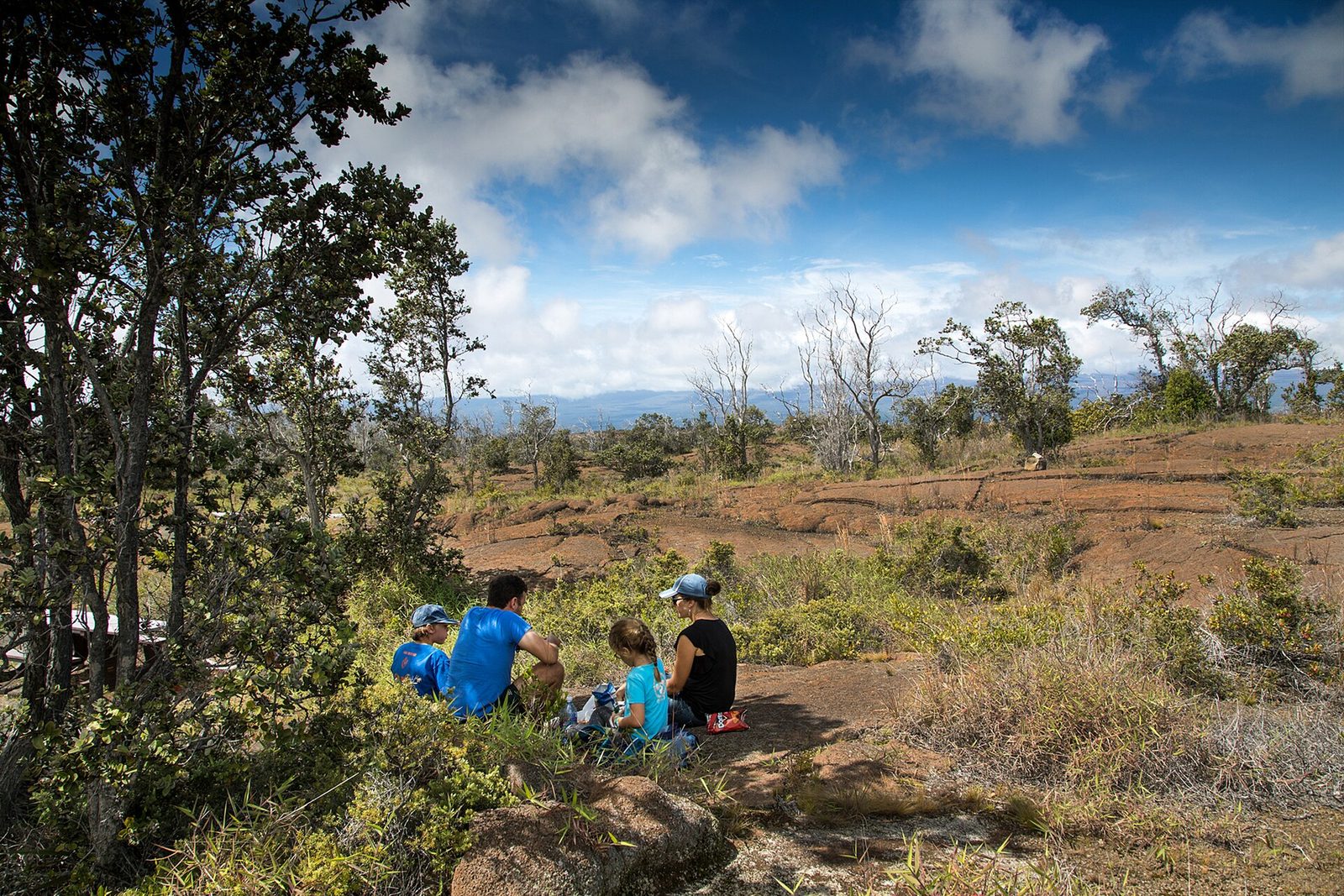
With more than one child, give the non-napping kids a job during the rest window: a pool hour with one parent, a downloaded movie, a card game, a journal or drawing of the morning's adventure. The point is that the window is real downtime for the whole family, not a gap to be filled.
Rule four: feed people before they need it
Hunger and tiredness look the same on a small face, and both arrive faster when you're traveling. A few habits keep meals from becoming the hardest part of the day:
- Eat a little earlier than you would at home, especially lunch and dinner. Restaurants are also quieter then.
- Carry two snacks per child in the day bag, plus water. Replace them every night.
- Make one meal a day easy. Breakfast in the room, picnic lunches or takeout dinners free up time and budget, and give kids a break from sitting still at a table.
- Look up food near the main event before you go. Knowing where lunch is ahead of time saves a hungry search later.
Rule five: schedule rest days
On trips of five days or longer, plan at least one day with no big thing at all. Sleep in, swim, play at the beach, do laundry, wander the neighborhood. These days tend to become some of the kids' favorites, and they keep the rest of the trip from sliding into exhaustion.
A simple rhythm for a week away:
| Day | Shape |
|---|---|
| 1 | Arrival day: travel, settle in, early night |
| 2 | Big thing (morning) + easy afternoon |
| 3 | Big thing (morning) + easy afternoon |
| 4 | Rest day |
| 5 | Big thing (the one everyone is most excited about) |
| 6 | Medium thing + packing |
| 7 | Departure day |
Notice where the most-anticipated activity sits: right after a rest day, when everyone has their energy back, but not on the last full day, where a rainout would mean losing it entirely.
Arrival and departure days count as full days
Travel days are tiring even when everyone just sits. Don't plan a big outing for the afternoon you arrive or the morning you leave.
On arrival day: find the grocery store, unpack the essentials, take a walk around the block, eat an early dinner and get kids into bed close to their normal time. If you arrive in the morning, a pool or playground beats a museum.
On departure day: pack most things the night before, keep the morning to a final easy walk or breakfast out, and leave plenty of time to get to the airport or on the road. A calm last day is the memory everyone carries home.
Crossing time zones
Time zones add a twist, because a child's body clock doesn't change when the clock on the wall does. The CDC's Yellow Book chapter on jet lag says the body adjusts at about one hour per day when traveling east and about an hour and a half per day when traveling west, and that most people find westward travel easier. It also explains that bright light in the morning tends to shift the body clock earlier, while light in the evening tends to shift it later.
What that means for planning:
- Keep the first day or two light after crossing several zones. Don't schedule the most important event for the first morning.
- Get outside in daylight during the day at your destination. Morning walks and outdoor breakfasts fit naturally into a morning-anchored plan.
- Shift meals and bedtime toward local time and keep the bedtime routine (bath, book, the same stuffed animal) exactly as it is at home. The familiar steps matter more than the clock.
- For short trips across only one or two zones, some families simply keep home bedtimes and plan around them. Either approach is fine; just choose one.
For any question about children's sleep or medicine on a trip, check with your pediatrician before you go.
Putting it on paper
When you sketch your trip, write each day as a short line: the one big thing, where lunch is, where the nap or rest happens, and what the easy afternoon option is. If a day won't fit on one line, it is probably too full. That single habit does more to keep a family trip happy than any packing hack.
Some families keep these lines in a notebook; others use a shared planner such as Vacation Hub so everyone can see the day's plan on their phones. However you keep it, the shape stays the same: a strong morning, a real rest, an easy afternoon and an early night. Your kids will remember the big things, and you will remember that the trip actually felt like a vacation.
Keep planning
Grandparents Traveling With Grandkids: Papers, Car Seats and a Pace Everyone Enjoys
Grandparents traveling with grandkids this holiday season: consent letters, TSA and PreCheck rules, car seat laws, the $80 Senior Pass and a pace that works.
Winter Break 2026-27 Family Trip Ideas: Warm Escapes, Snow Days and When to Book
Winter break 2026-27 family trip ideas, from Hawaii whale season to Yellowstone snow, plus the best time to book Christmas flights and how to plan around the holidays.
The 90-Day Family Vacation Planning Timeline
A calm 90-day family vacation planning timeline: budget, flights, passports, REAL ID, reservations and packing, broken into what to do at 90, 60, 30, 14, 7 and 1 day out.