Grandparents Traveling With Grandkids: Papers, Car Seats and a Pace Everyone Enjoys
Grandparents traveling with grandkids this holiday season: consent letters, TSA and PreCheck rules, car seat laws, the $80 Senior Pass and a pace that works.
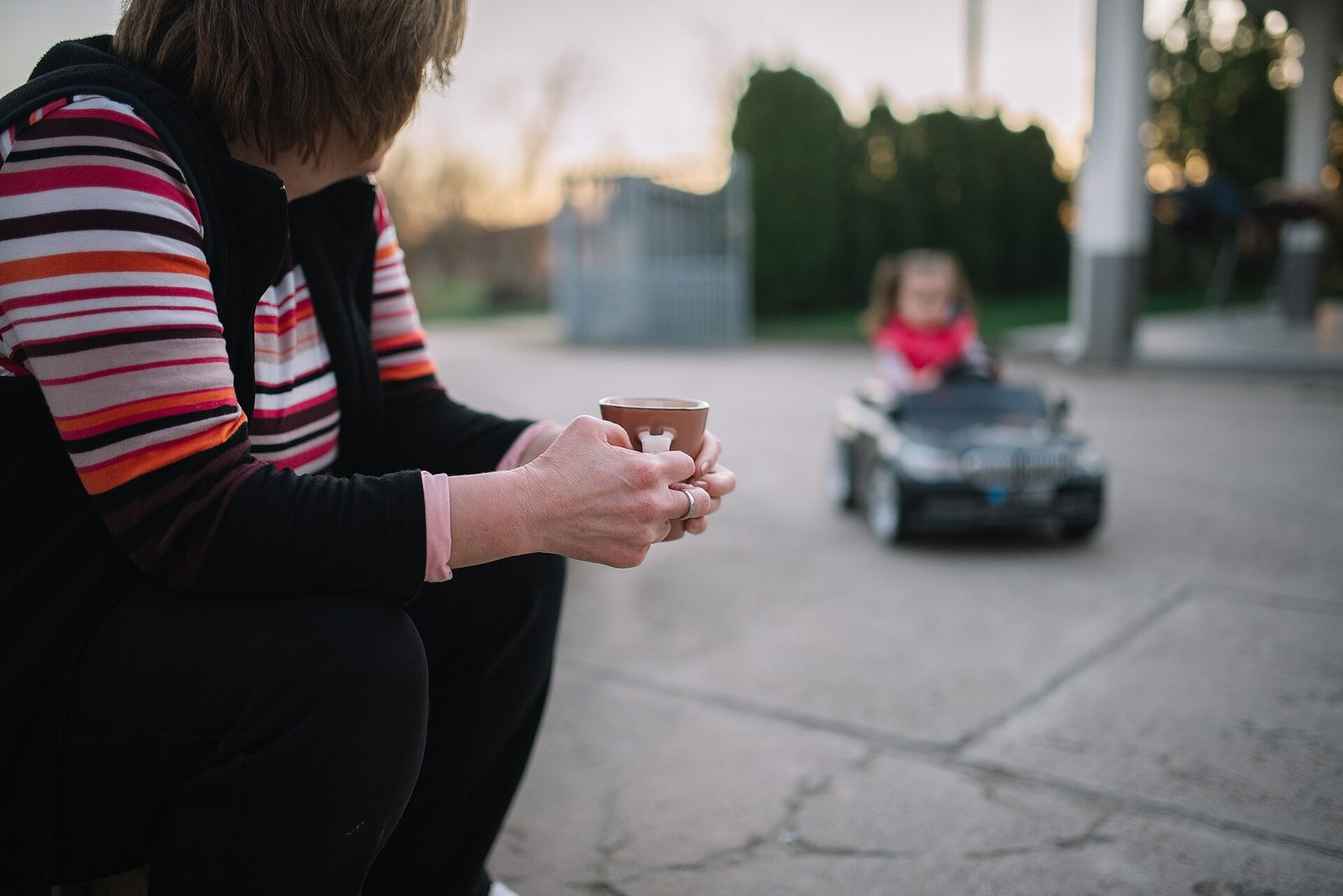
Fall break is here for a lot of families, Thanksgiving is on November 26, and winter break is about ten weeks away. For many parents that means the same lovely, slightly nerve-racking plan: the kids are going with Grandma and Grandpa. Maybe it's a week at the grandparents' place, a Grand Canyon road trip with Papa, or a flight to see cousins while Mom and Dad work.
Grandparent trips are some of the best memories kids ever make. They are also the trips where small paperwork gaps cause the biggest headaches, because the adult holding the boarding passes isn't the adult whose name is on the birth certificate. This guide is for both sides of that handoff: the grandparents doing the traveling and the parents packing the bags. Every rule below links to the agency that sets it.
Step 1: Decide who can sign what (before anyone leaves)
Parents hand over a lot more than a suitcase. Sit down together for 20 minutes and settle three things in writing.
1. A consent letter, even for "just" a domestic trip. For trips that cross a border, U.S. Customs and Border Protection strongly recommends that a child traveling with someone other than their parents carry a note signed by both parents giving permission, and it suggests having it notarized. CBP says it may not ask to see it, but the adult and child could be held up if questions come up. Other countries can be stricter: Canada's government says children traveling "in the care of friends or other family members" should carry a consent letter, that a notary witness is strongly recommended, and that an original signed letter is best.
Inside the U.S. there is no TSA rule that asks for one, but a short signed letter still helps at an urgent care desk, a hotel front desk, or the rare airline agent who asks. Include:
- the child's full name and date of birth
- both parents' names, phone numbers and email
- the grandparents' names and the trip dates and places
- a line giving permission for the trip, signed by both parents
2. Medical permission and insurance. Put a photo of each child's insurance card (front and back) on the grandparent's phone, plus the pediatrician's number, allergies, daily medicines and doses. Ask your child's doctor's office or your insurer what they need from a caregiver for routine or urgent care. Rules differ by state and by clinic, so this is a question for them, not the internet. Pack medicines in the original labeled bottles.
3. A backup contact. If the parents will be on a plane or out of reach, name one more adult the grandparents can call.

Step 2: Flying with the grandkids (TSA, ID and PreCheck)
Good news first: the TSA says it does not require children under 18 to show ID on flights within the United States. The grandparents, though, need an acceptable ID such as a REAL ID-compliant license or a passport. REAL ID enforcement began May 7, 2025, and our TSA and REAL ID guide for families covers what happens if an adult shows up without one. Airlines can set their own rules for young travelers, so a copy of each child's birth certificate in the carry-on is cheap insurance, especially for a lap infant.
At the checkpoint, the TSA says children 12 and under can keep their shoes, light jackets and headwear on, and it has ended its shoes-off policy for travelers in general. Travelers 75 and older get their own screening page: they may be asked to remove light jackets for body-scanner screening and can ask to stay seated if they need extra screening. If anyone in the group needs help at the checkpoint, TSA Cares takes calls at (855) 787-2227 and asks for 72 hours' notice.
The PreCheck question grandparents always ask. The TSA's rule is written for a "parent or guardian." Kids 12 and under can go through PreCheck with an enrolled parent or guardian, and teens 13 to 17 can too if they're on the same reservation and the PreCheck mark shows on their own boarding pass, per the TSA's FAQ on children and PreCheck. Teens can still be picked at random for standard screening. Since the rule says "parent or guardian," grandparents shouldn't count on it: book everyone on one reservation, check the kids' boarding passes the night before, and leave time for the regular line.
Our Thanksgiving 2026 travel guide has the busiest days and how early to get to the airport if your trip lands on that week.

Step 3: Driving the grandkids (car seats are not optional)
Lots of grandparent trips are road trips, and this is where good intentions run into state law. Car seat laws follow the state you're driving in, not the state you live in. In Arizona, for example, A.R.S. 28-907 requires children under 5 to ride in a child restraint used the way the maker intends, and children 5 to 7 who are 4 feet 9 inches or shorter to ride in a child restraint such as a booster. Children under 2 must ride rear-facing unless they weigh at least 40 pounds or are at least 40 inches tall. If your trip crosses state lines, look up each state's rule before you go.
Practical tips from families who have done the handoff:
- Move the seats, don't buy cheap ones at the last minute. Grandparents' cars often don't have the newer latch hardware in the spot you'd expect. Install the seat in the grandparent's car a day early.
- Get a free check. Certified technicians at car seat inspection stations will check an installation, usually free, and NHTSA's finder also lists virtual inspections.
- Rentals: if you're renting a car at the destination, ask whether the company rents seats and whether you can see the model ahead of time. Many families simply check their own seats on the plane.
- Plan shorter driving days. Two-hour stretches with a real stop beat four-hour pushes. Our family road trip survival guide has a full car kit and snack list.
Step 4: Plan a pace both generations enjoy
The most common grandparent-trip mistake isn't paperwork. It's the schedule. Grandparents want to give the kids everything, the kids want to do everything, and by day three everyone is tired and a little cranky.
A few rules that keep the fun going:
| What to plan | Why it works |
|---|---|
| One "big thing" per day, in the morning | Kids and grandparents both have the most energy early |
| Keep the child's normal nap and bedtime | Parents will thank you, and so will the kids on day four |
| A daily quiet block after lunch | A rest for Grandpa's knees counts too |
| One meal at home or picnic-style each day | Cheaper, calmer, and easier with picky eaters |
| A "phone home" time every evening | Kids settle better when the call is part of the routine |
Our guide to planning a trip around naps, meals and energy goes deeper on building days like this, and this 30-second clip shows the idea in action: an app that plans around nap times.
Sleeping arrangements matter more than you think. If the little ones are sleeping in an adult bed at Grandma's house or a rental, a portable bed rail can stop a 2 a.m. tumble. Our own store has one, a foldable travel bed rail for toddlers, and our person-by-person packing checklist covers the rest of the gear.
Step 5: The national park trick for grandparents 62 and older
If a grandparent is 62 or older, a national park trip can be a bargain. U.S. citizens and permanent residents 62 and up can buy a Senior Pass for $20 a year or $80 for life (as of October 2026). It covers entrance fees and standard day-use fees at federal recreation sites, and at parks that charge per vehicle, one pass covers the whole private car. At per-person sites it covers the pass holder plus three more adults. It can't be bought as a gift, because the holder has to show proof of age and residency.
Two more things make it even better for grandkids:
- At National Park Service sites, children 15 and younger aren't charged entrance fees.
- U.S. fourth graders can get a free Every Kid Outdoors pass for the school year, and many parks hand out Junior Ranger badges for free.
Our national parks with kids guide covers timed-entry reservations and 2026 fee changes, and our Grand Canyon in fall and winter post is a great first grandparent trip for Arizona families.
The grandparent trip handoff checklist
Print this, or screenshot it for both phones:
- Signed consent letter (notarized if leaving the country)
- Passports for every child if crossing a border
- Copies of birth certificates (or photos) for young kids
- Insurance card photos, pediatrician's number, allergy list
- Medicines in labeled bottles with written doses
- Car seats installed and checked in the car you'll actually drive
- Everyone on one airline reservation; boarding passes checked the night before
- Nap and bedtime schedule written down
- Backup emergency contact
- Senior Pass (if a grandparent is 62+) and any 4th-grade pass
- A daily "call Mom and Dad" time agreed on
Keep both households on the same page
The hardest part of a grandparent trip is that the plan lives in two households. One family has the flight confirmations, the other has the car seats, and the parents just want to know the kids are having fun. That's the problem we built Vacation Hub for: one shared trip with the day-by-day plan built around the kids' naps, a packing list for every person, all the reservations in one place, and a live shared photo album link so parents back home can see the beach day as it happens. You can peek at a sample family's trip first.
We're a real family business in Mesa, Arizona, and there's real-person support from the owner, Johnathon Lawson: [email protected]. For more trip ideas through the holidays, follow Vacation Hub on Facebook.
Have a wonderful trip, and take lots of pictures. The kids will remember the trip with Grandma and Grandpa for the rest of their lives.
Keep planning
Winter Break 2026-27 Family Trip Ideas: Warm Escapes, Snow Days and When to Book
Winter break 2026-27 family trip ideas, from Hawaii whale season to Yellowstone snow, plus the best time to book Christmas flights and how to plan around the holidays.
The 90-Day Family Vacation Planning Timeline
A calm 90-day family vacation planning timeline: budget, flights, passports, REAL ID, reservations and packing, broken into what to do at 90, 60, 30, 14, 7 and 1 day out.
How to Plan a Family Trip Around Naps, Meals and Energy
How to structure a family trip day by day around kids' naps, meals and energy: one big thing a day, morning anchors, nap windows, rest days and time zones.