Theme Parks With an Autistic or Sensory-Sensitive Child: Access Passes, Quiet Rooms and What to Book Now
Theme parks with an autistic or sensory-sensitive child: how Disney DAS, the IBCCES card, quiet rooms, sensory guides and TSA Cares work, and what to book now.
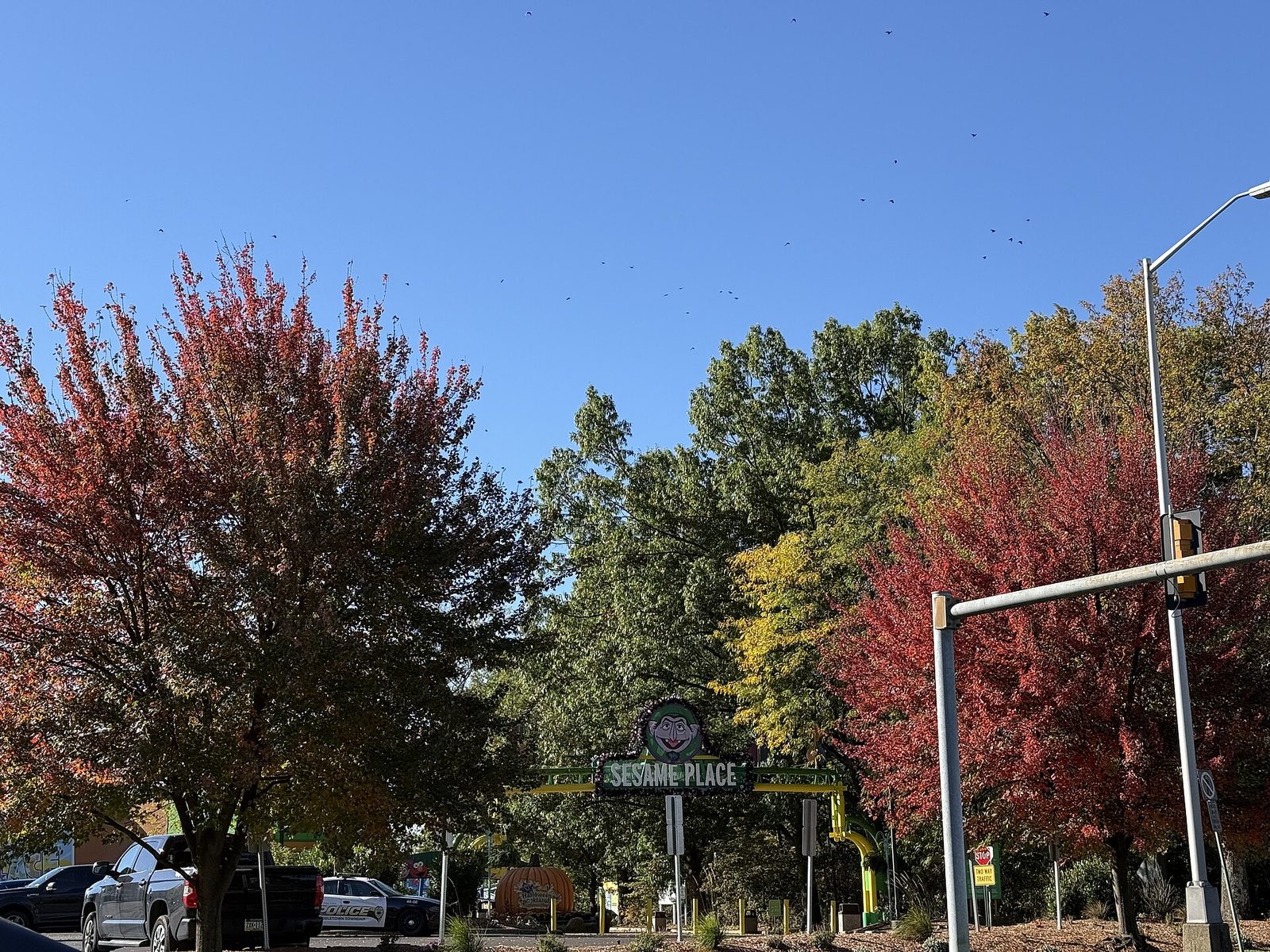
Our hometown has an unusual claim to fame. In November 2019, Mesa, Arizona, became the first Autism Certified City in the United States. The city says the push came from Marc Garcia, the head of Visit Mesa and the dad of a son with autism, who wanted travel to be easier for families like his. By the time of the announcement, almost 60 local businesses and organizations had finished the training, and nearly 4,000 people had completed it or signed up, including more than 1,200 Mesa police officers.
That idea, that a place can get ready for your child instead of the other way around, has spread to theme parks. Many of them now have trained staff, quiet rooms, ride-by-ride sensory guides and a way to wait for a ride somewhere other than a packed queue.
The catch is that almost none of it happens on its own. Most of it needs a sign-up, and some sign-ups have a clock. If you are planning a park trip for Thanksgiving (November 26, 2026) or winter break, this is the week to start.
Why this week matters
Walt Disney World lets families talk to a cast member about its Disability Access Service by live video chat as soon as 60 days before a park visit. Count backward from your dates:
| First park day | Disney's 60-day window opens |
|---|---|
| Thanksgiving, November 26 | Already open (since September 27) |
| Saturday, December 19 | October 20 |
| Christmas Day, December 25 | October 26 |
What "Certified Autism Center" really means
You will see this label on park websites. It comes from IBCCES, an independent credentialing group. Visit Mesa's plain-English FAQ explains what it takes:
- At least 80% of guest-facing staff have completed training in autism and sensory disorders.
- The process may include an onsite review and the creation of sensory guides for attractions.
- The certification must be renewed every 2 years with updated training.
What it does not mean: a quiet park, short lines or a promise that every employee will get it right. It means more of the people you meet have had some training, and the park has written down what each ride feels like. That is still a real head start.
The big parks, one at a time
Walt Disney World: Disability Access Service (DAS)
Disney describes DAS as a service for guests who, "due to a developmental disability like autism or similar," cannot wait in a regular line for a long time. All of this comes from Disney's DAS page, as of October 2026:
- It is not a front-of-line pass. You request a return time that is about as long as the current standby wait, then spend that time anywhere you like.
- Registration is by live video chat only, open 7:00 AM to 8:00 PM Eastern. There is no in-person sign-up, though you can do the video chat on the day of your visit.
- Your child must be on the call, and the adult asking must be 18 or older. Park tickets need to be linked to your Disney account first.
- Party size is the registered guest plus up to 3 others, 4 people total.
- It lasts for the length of your ticket or up to 1 year, whichever is shorter.
- You can hold one return time at a time and ask for the next one 10 minutes after you use it. Return times do not expire until the park or the ride closes.
One honest limit: registration is a conversation, and Disney decides. Not every family who asks is approved. Disney says cast members will talk through other services with you, so ask what else is available if the answer is no.
Universal, Six Flags and Knott's: the IBCCES Accessibility Card
Several park companies use one shared card instead of their own interview. The IBCCES Accessibility Card is free and digital, and its list of participating parks includes Universal Orlando, Universal Studios Hollywood, Knott's Berry Farm and many Six Flags parks, as of October 2026.
What the card's own site says:
- Register at least 48 hours before your park visit.
- You upload a recent photo, contact details, and a statement from a medical provider, a government office or a similar source about the help being requested. IBCCES says it does not need the diagnosis itself, and you can leave it out.
- The card is good for 1 year.
- It does not guarantee an accommodation. Each park decides what it offers, so show the card at Guest Services when you arrive and confirm the steps on the park's own page, such as Universal Orlando's accessibility information.
LEGOLAND Florida: HERO Access Pass
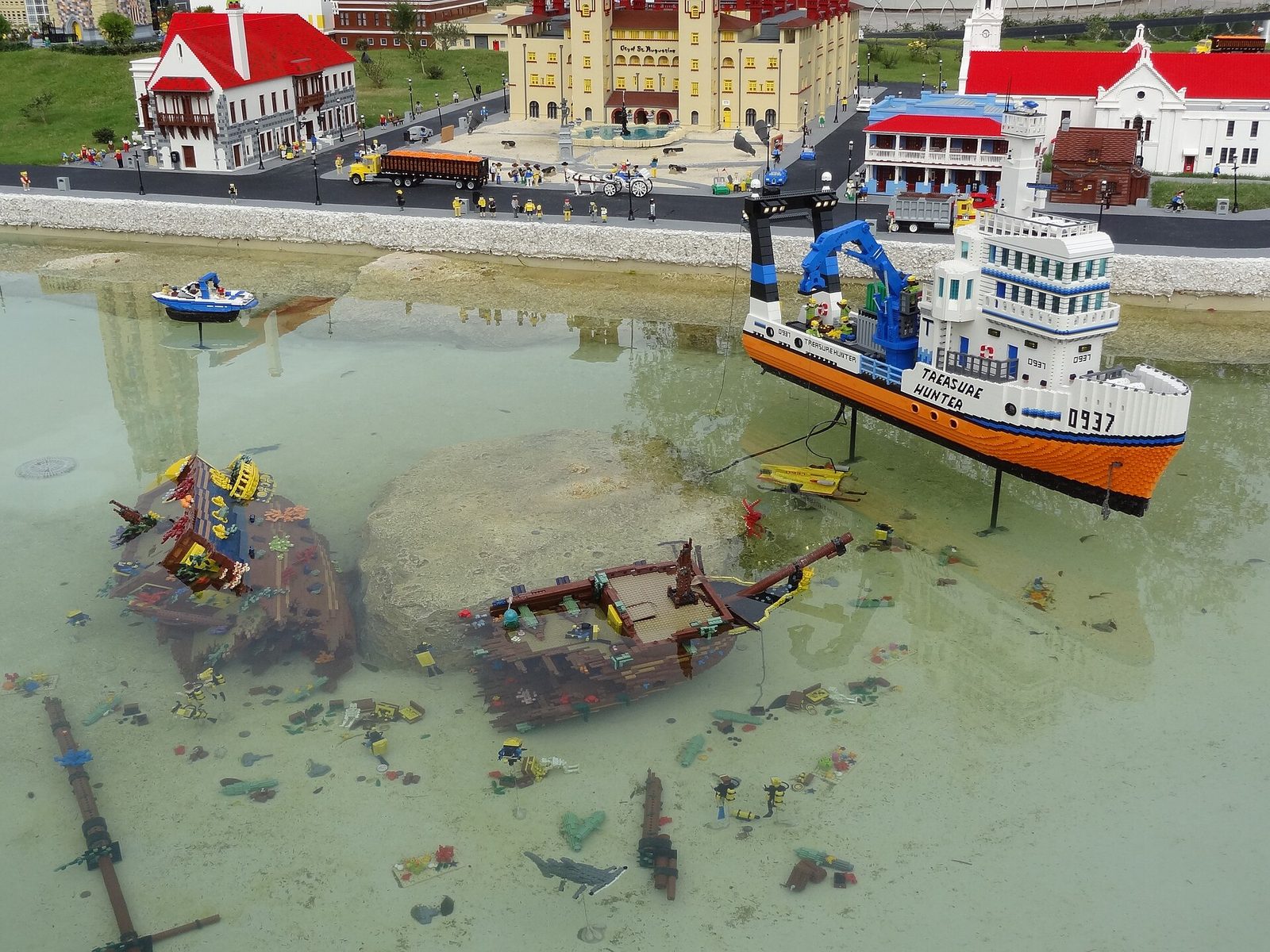
LEGOLAND Florida's accessibility page says the resort is a Certified Autism Center across its theme parks, water park and three hotels. As of October 2026:
- The HERO Access Pass is for guests who would have trouble with long waits because of a disability. You get it at Guest Services, and it covers up to 6 people including your child.
- It works like a chain. You are boarded as soon as possible at your first ride and handed a time for your next one, which is about equal to that ride's regular wait.
- Sensory rooms are in the DUPLO Valley Baby Care Center, First Aid and Water Park Guest Services.
- The park asks families with questions to send its form at least 7 days before the visit.
Sesame Place Philadelphia
Sesame Place says it was the first theme park in the world to become a Certified Autism Center. Its page lists a low sensory room inside the Family Care Center with adjustable lighting and sensory toys, loaner noise-cancelling headphones (first come, first served), suggested low-sensory spots for watching the parade, and a Ride Accessibility Program you join at the Welcome Center just inside the gate.
Your sign-up calendar
| What | When to do it | Where |
|---|---|---|
| Disney DAS video chat | From 60 days before your first park day | Disney's DAS page |
| Provider letter for the IBCCES card | Now | Your child's doctor, school or therapist |
| IBCCES Accessibility Card | At least 48 hours before; earlier is safer | accessibilitycard.org |
| LEGOLAND Florida questions | At least 7 days before | The form on its accessibility page |
| TSA Cares, if you are flying | 72 hours before the flight | (855) 787-2227 or the online form |
Read the sensory guide like a menu
Certified parks publish a sensory guide. LEGOLAND describes its guides as showing how each attraction may affect each of the five senses. That turns a scary unknown into a list you can plan from.
Sit down with it before the trip and sort the rides into three groups:
- Yes rides. Low on the senses your child struggles with. Start the day here.
- Maybe rides. Watch a ride video together at home first, then decide.
- Not this trip. No guilt. Skipping a ride is cheaper than a hard afternoon.
Then build the day in the same shape we suggest in our theme park strategy guide: arrive early while the park is quiet, do your "yes" rides first, and leave for a real break before the midday crowd peaks. If your child does best with a fixed routine, our guide to planning a trip around naps, meals and energy shows how to keep the home schedule on the road.
Holiday events add fireworks, music and big evening crowds. Our Halloween and holiday events guide lists the party nights, so you can pick a night with one or steer around it.
If you are flying there
The TSA runs a free helpline called TSA Cares for travelers with disabilities and medical conditions. Its Traveling with Children page says to call 72 hours before traveling with questions or to ask for help at the checkpoint. The number on the online request form is (855) 787-2227, and the form has a box for "I am traveling with a child who has a disability, or medical condition."
Three more facts from the TSA that help, as of October 2026:
- Travelers with autism can be screened without being separated from the person traveling with them.
- Children will not be separated from their parent or guardian, and kids 12 and under can keep shoes and light jackets on.
- You can tell the officer about your child's needs out loud, or hand over the TSA's printable notification card if saying it in front of your child is uncomfortable.
Leaving from Phoenix? Sky Harbor says it has a Sensory Room inside the Compassion Corner on Level 3 of Terminal 4, open to children and adults who need a break from the noise. For the step-by-step airport walk-through, see your kid's first flight.
Do a practice run close to home
A big park is a lot to ask of any child on the first try. A small, trained, nearby place makes a good rehearsal.
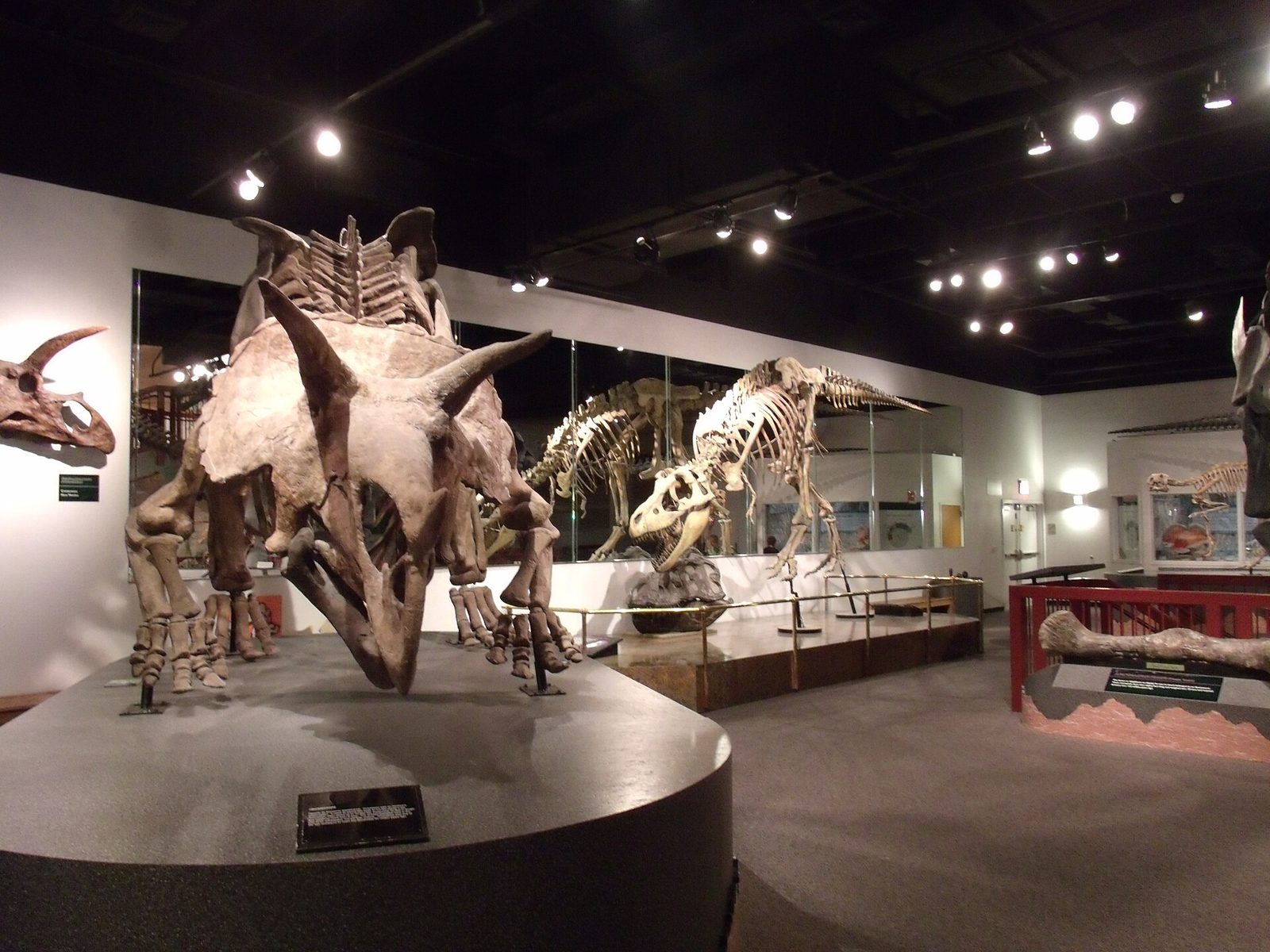
Here in Mesa, Visit Mesa lists Certified Autism Centers with sensory guides, including the Arizona Museum of Natural History and the i.d.e.a. Museum. Wherever you live, look for a certified museum, zoo or aquarium and try the whole routine there: the bag, the headphones, the break plan and the "we can leave" signal.
The park-day bag
- Headphones or ear protection your child already wears happily at home
- A comfort item and one backup
- Safe snacks and a water bottle, so a food line never decides the day
- A change of clothes in a zip bag
- A printed list of your "yes" rides and the quiet rooms, marked on the park map
- Your child's name and your phone number on a wristband or card in a pocket
- The access pass or card saved on two phones, plus a paper copy
If you need a bag or travel gear before you go, look through our own store, AZ Sun Valley Sales, first.
Keep the day small
The best park days with a sensory-sensitive child are usually short ones. Three good rides, one great snack and a calm exit is a win. So is leaving at noon and coming back tomorrow.
When you are ready to put it all on a calendar, Vacation Hub builds a day-by-day plan around your kids' ages, naps and pace, and its family intake asks about the places each person loves and the ones to avoid; this nap-time Short shows the idea in under a minute. We are a small family business in Mesa, Arizona, with real-person support from the owner, Johnathon Lawson: [email protected].
Start the sign-ups this week, pack the headphones, and let your child set the pace. The park will still be there tomorrow.
Keep planning
Halloween and Holiday Events at Disney and Universal in 2026: Dates, Parties and Tips for Kids
2026 Halloween and holiday events at Disneyland, Walt Disney World and Universal: dates, which parties need a separate ticket, what's included and tips for kids.

Theme Park Strategy With Kids: Rope Drop, Rider Switch and the Midday Break
A theme park strategy with kids that works: rope drop, smart ride order, a midday break, height checks, rider switch, line-skip passes and mobile ordering.
Thanksgiving on a Budget for Big Families: Fly, Drive or Stay Put in 2026?
A Thanksgiving budget for big families in 2026: real airfare, gas and bag-fee numbers, fly-vs-drive math for a family of six, and where large families save most.