Cheap Family Travel: Where to Save, What's Free and Where Families Overspend
Cheap family travel tips for 2026: off-peak timing, free and kids-free deals, the last NPS free days, points basics and the places families overspend most.

A family vacation does not get expensive all at once. It gets expensive in little pieces: a bag fee here, a "resort fee" there, a pricey sandwich at the airport, a gift shop at every stop. Each one feels small. Together, they can add up to a whole extra night away.
The good news is that the reverse is also true. A handful of small, smart choices can cut a trip's cost without cutting the fun. This guide covers when to go, what is free or kids-free right now, the basics of travel points, and the spots where families most often overspend. Prices and programs were checked against official sources as of October 2026.
A quick note: we are a family travel app, not financial advisors. Everything below is general information. For decisions about credit cards, loans or debt, talk to a qualified professional.
1. Timing is the biggest discount there is
The same hotel room, flight or rental car can cost very different amounts depending on the week. Families are often locked into school calendars, but there is still more wiggle room than it seems.
- Shift by a few days. Leaving on a Tuesday or Wednesday instead of a Friday, or coming home a day after the rush, can change prices a lot. Compare a few dates before you book.
- Use the "edges" of school breaks. The first and last days of a break are usually the busiest. Starting a day later or ending a day earlier can mean lower prices and shorter lines.
- Go where it is off-season. A beach town in winter, a ski town in summer or a desert park like the ones in our Arizona winter getaways guide can be both cheaper and more pleasant than the peak-season crowd.
- Book early for holidays, watch for deals the rest of the year. Holiday weeks fill up, so lock in the essentials. For ordinary weekends, there is often more flexibility.
Our 90-day family vacation planning timeline shows when to book each piece so you are not paying last-minute prices.
2. Free and kids-free: deals worth knowing right now
Kids are often free at national parks
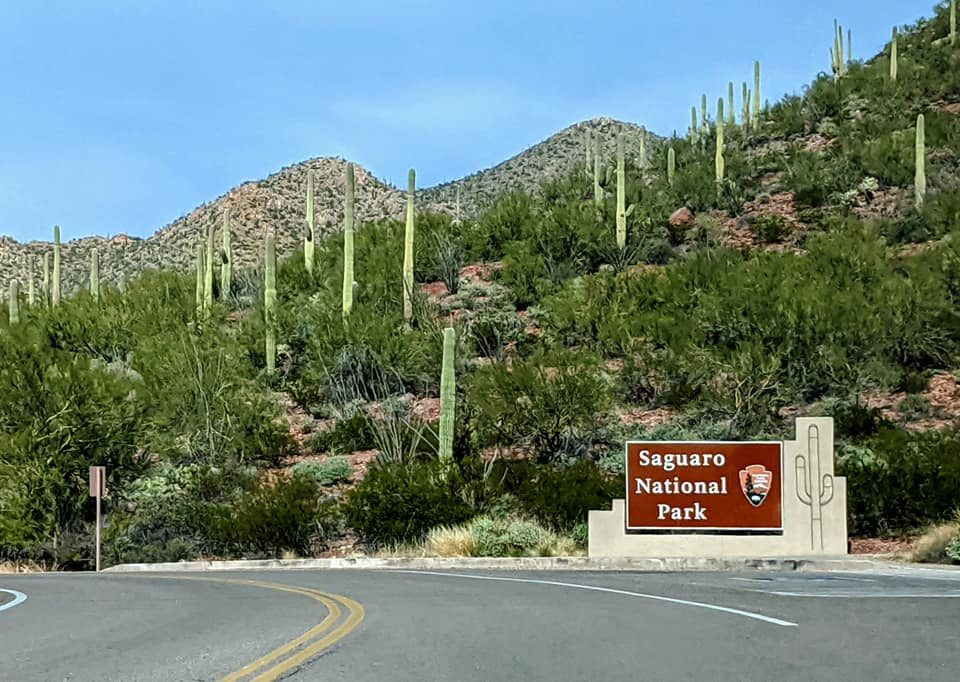
Many national parks only charge adults. Saguaro National Park's fee page, for example, lists a $25 seven-day vehicle pass and says children under 16 are free. Check each park's fee page, because the way fees work varies.
The fourth-grade pass
If you have a fourth grader, you have a golden ticket. The federal Every Kid Outdoors program offers U.S. fourth graders a free pass to federal parks, lands and waters for the 2026-2027 school year. The site notes that not every site accepts the paper pass, so check before you go. Our national parks with kids guide has more on passes and Junior Ranger programs.
The last NPS free days of 2026
The National Park Service has eight fee-free days in 2026. Two are still ahead:
- October 27 (Theodore Roosevelt's birthday)
- November 11 (Veterans Day)
One change to know: the NPS says that beginning in 2026, free entrance on these days is for U.S. citizens and residents only. Free entrance covers the entrance fee, not things like camping or tours, and popular parks can be extra busy on free days, so go early.
Free museums
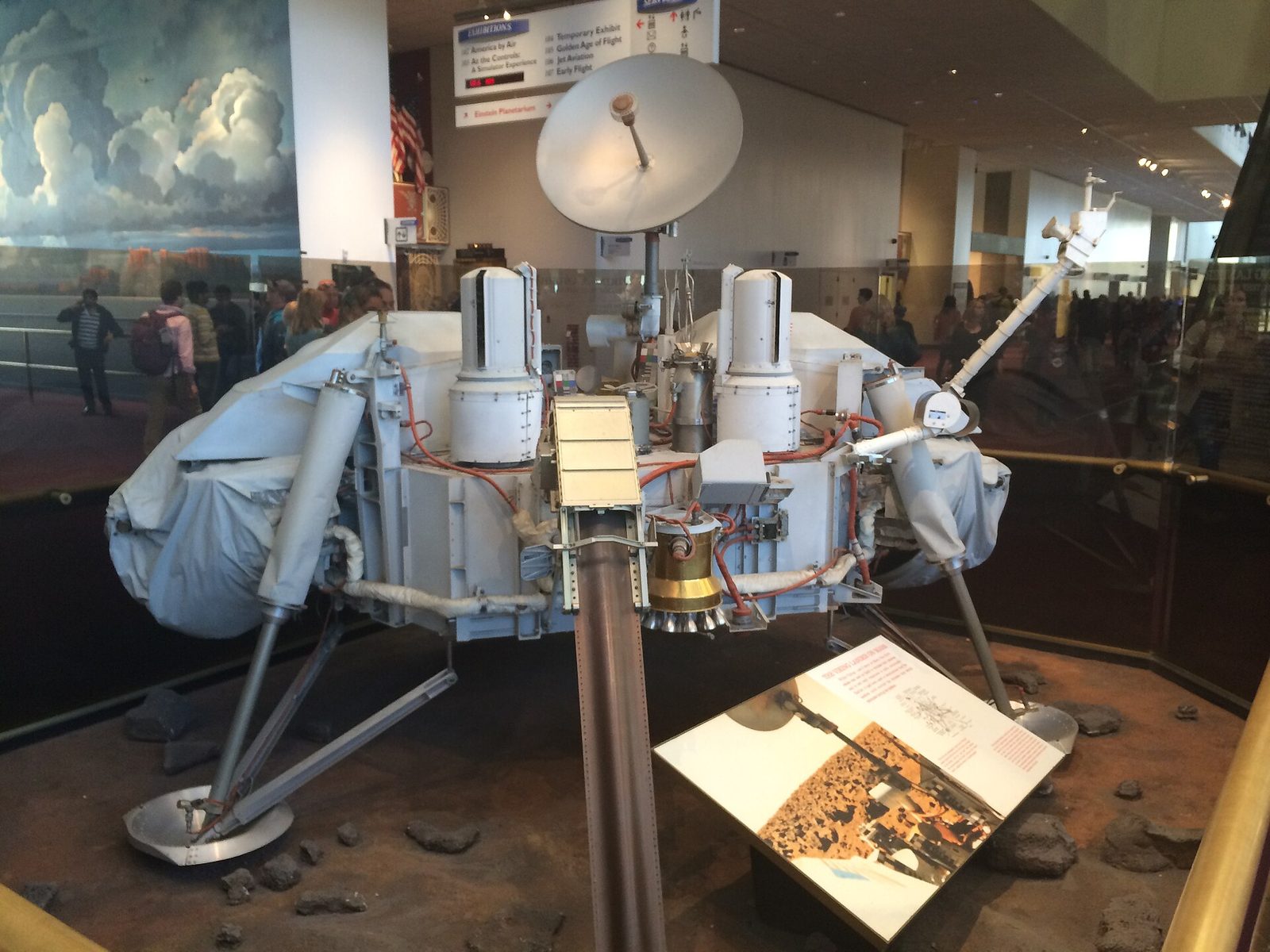
Washington, D.C., is one of the best free-museum cities in the country. The National Air and Space Museum's visitor FAQ says admission is always free, but every visitor, regardless of age, needs a free timed-entry pass. Reserve those early for holiday and spring break trips.
Closer to home, check your public library. Many libraries lend free or discounted museum and attraction passes to cardholders. And if you bank with Bank of America, its Museums on Us program offers cardholders free general admission at participating museums on the first full weekend of each month. Participating museums post the details (here is the Milwaukee Art Museum's Museums on Us page, for example); the free admission is for the cardholder, so the rest of the family may still need tickets.
Kids stay free, kids eat free
Many hotel chains let children stay free in their parents' room, and some include breakfast or kids' meals. The age limits and rules vary by brand and even by region, so read the policy for the exact hotel before you book. Locally, plenty of restaurants run a weekly kids-eat-free night; ask when you check in.
The best free things are outside
Beaches, city parks, state park trails, splash pads, scenic drives, farmers markets, free festival days and the hotel pool cost little or nothing, and they are often the parts kids talk about later.
3. Points and miles: the basics, simply
Travel rewards can cover a flight or a hotel night, but they work best when you keep them simple.
- Airline miles and hotel points come from flying, staying and sometimes from shopping portals. Sign up for the free loyalty programs of the airline and hotel brands you use most, even if you only travel once a year. Some points expire after a period of no activity, so check the rules.
- Credit card rewards can earn points on everyday spending. They are only a deal if you pay the balance in full every month; interest wipes out the value quickly. Whether a card is right for you depends on your finances, so that one is a decision for you and, if needed, a financial professional.
- Use points for the expensive parts. Points usually go furthest on things that are pricey in cash, like holiday flights or hotels in popular spots.
- Book award seats early. Seats and rooms for points can be limited during school breaks.
If the whole thing feels like homework, it is okay to skip it. Timing and the free stuff above save money with no learning curve at all.
4. Where families overspend (and easy fixes)
Hotel and rental "junk fees"
Resort fees, cleaning fees and service fees used to show up late in the booking. That has changed. The Federal Trade Commission's rule on unfair or deceptive fees, which took effect May 12, 2025, requires hotels, vacation rentals and live-event ticket sellers to show the total price, including mandatory fees, whenever they show a price. Fix: compare the all-in total, not the nightly rate, and remember that taxes and optional extras can still be added.
Airline extras
Seat selection and checked bags add up fast for a family of four or five. Our guides on sitting together without paying extra and flying carry-on only with a family of five cover both.
Eating every meal out
Three restaurant meals a day for a whole family is often the single biggest budget surprise. Fix: book a room with a fridge or kitchenette, eat breakfast in, pack a picnic lunch for the park, and make dinner the one restaurant meal of the day.
Airport food and parking
Buying everyone breakfast at the airport can cost as much as a dinner out. Fix: bring empty water bottles to fill after security and pack solid snacks from home. Compare airport parking options and rideshare costs before the day you leave.
Theme park add-ons
Line-skipping passes, character meals and souvenirs can double the cost of a park day. Our theme park strategy guide shows how rope drop and a midday break can replace some of those extras.
Souvenirs at every stop
Fix: give each child a souvenir budget for the whole trip, in cash or on a card they manage. Kids think much harder about the fifth stuffed animal when it is their money.
Paying for things you never use
Prepaid parking you could have walked to, a rental car that sits in the hotel garage, a hotel with a pool nobody swims in. Fix: plan each day before you book the extras, and only pay for what the plan actually uses.
Your money-saving checklist
- Compare a few travel dates before you book
- Check national park fee pages (many kids are free)
- Get the fourth-grade pass if you have a fourth grader
- Mark October 27 and November 11 if a park trip fits
- Reserve free timed-entry museum passes early
- Ask your library about free attraction passes
- Compare hotel all-in totals, not nightly rates
- Plan one restaurant meal a day, and pack the rest
- Set a souvenir budget for each kid
Track the money while you travel
The easiest way to stay on budget is to see it as you go. Vacation Hub has a trip budget with money and receipts tracking built in, keeps reservations and confirmations in one place, and while you travel its "Near Us" ideas point you to nearby parks, groceries and free activities. Our 60-second video, A Good Vacation Starts Before You Leave, shows the app in action. We are a small family business in Mesa, Arizona, and every question gets a real person: the owner, Johnathon Lawson, at [email protected].
The best family trips are rarely the most expensive ones. They are the ones where nobody is stressed about money, and everyone gets to just be on vacation.
Keep planning
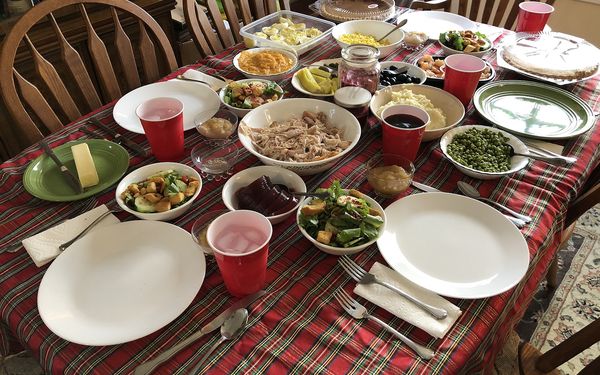
Thanksgiving on a Budget for Big Families: Fly, Drive or Stay Put in 2026?
A Thanksgiving budget for big families in 2026: real airfare, gas and bag-fee numbers, fly-vs-drive math for a family of six, and where large families save most.

How to Set and Track a Family Vacation Budget (Without Ruining the Fun)
How to set a family vacation budget and track it on the trip: the categories to plan, hidden costs to catch, a simple daily spending check and a printable checklist.
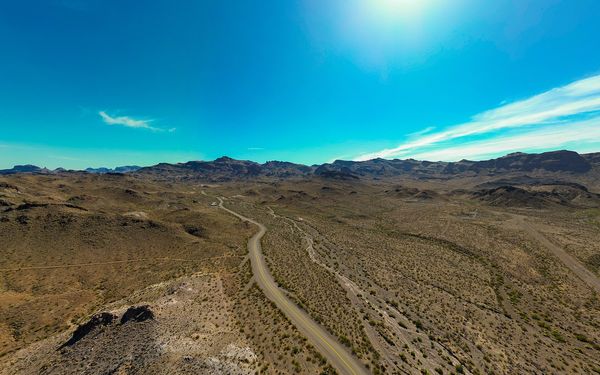
Route 66 by RV With Kids: An Arizona Centennial Plan (and the Grand Canyon RV Park Closure)
Taking the RV or camper on Route 66 for its 100th birthday? An Arizona plan for families, with the Grand Canyon RV park closure and the 40-foot Oatman limit.