How to Set and Track a Family Vacation Budget (Without Ruining the Fun)
How to set a family vacation budget and track it on the trip: the categories to plan, hidden costs to catch, a simple daily spending check and a printable checklist.

Every family has a version of this story. The trip was wonderful, the kids still talk about it, and then the credit card statement arrived and nobody could quite explain where an extra few hundred dollars went. Was it the parking? The airport snacks? The souvenir shop at the end of the boardwalk?
A vacation budget isn't about saying no to everything. It's about deciding ahead of time where your money will make the most memories, so you can say yes to those things without guilt. This guide walks through how to build a family vacation budget that's realistic, how to track it during the trip without spending your vacation on a spreadsheet, and the hidden costs that trip up most families. With Thanksgiving and winter break coming fast, now is a great time to set one up.
Step 1: Pick a total number first
Start with the number that won't stress you out when the bills come in, not with a destination. That one number becomes the frame for everything else: where you go, how long you stay and how you get there.
A few questions that help set it:
- How much is already saved or set aside for this trip?
- How much can you add between now and departure, month by month?
- What would feel like "too much" when you look back in February? Stay comfortably under it.
Then decide what the trip is for. A visit to grandparents, a theme park splurge and a quiet cabin weekend all cost very differently. Knowing the goal makes the hard choices easier later.
Step 2: Break it into categories
Most family trips come down to the same handful of buckets. Write a number next to each one before you book anything:
| Category | What goes in it | Tips |
|---|---|---|
| Getting there | Flights, bag fees, seat fees, gas, tolls, rental car, airport parking | Price the whole trip, not just the fare |
| Sleeping | Hotel, vacation rental, campsite, resort and cleaning fees | Compare total prices, including fees |
| Eating | Restaurants, groceries, snacks, coffee | Usually the most underestimated bucket |
| Doing | Park tickets, tours, passes, special events | Book the "must-dos" first |
| Getting around | Parking, shuttles, rideshares, transit | Check parking fees at hotels and attractions |
| Fun money | Souvenirs, treats, arcade games | Give each kid a set amount (more on that below) |
| Cushion | Surprises, delays, a forgotten swimsuit | About a tenth of the total is a comfortable start |
The cushion is the line most families skip, and it's the one that keeps the budget from "failing" the first time something goes sideways.
Step 3: Price the big pieces honestly
Flights: the fare is just the start
Airfare is easy to compare and easy to underestimate. Add up bag fees, seat-selection fees and airport parking for everyone in the family before you decide that flying is cheaper than driving. Our guide to family seating fees explains when you can skip paying to sit together, and our carry-on-only guide shows how a family can avoid checked-bag fees entirely.
Timing matters, too. Google's analysis of four years of Google Flights data found that, on average, Thanksgiving fares were lowest about 35 days before departure and Christmas fares about 51 days before, and that flying Monday through Wednesday averaged about 13 percent cheaper than flying on weekends. Those are averages, not promises, but they're a helpful starting point for holiday trips.
Driving: do the gas math
For a road trip, a quick calculation turns a guess into a number:
Round-trip miles ÷ your car's miles per gallon × price per gallon = fuel budget
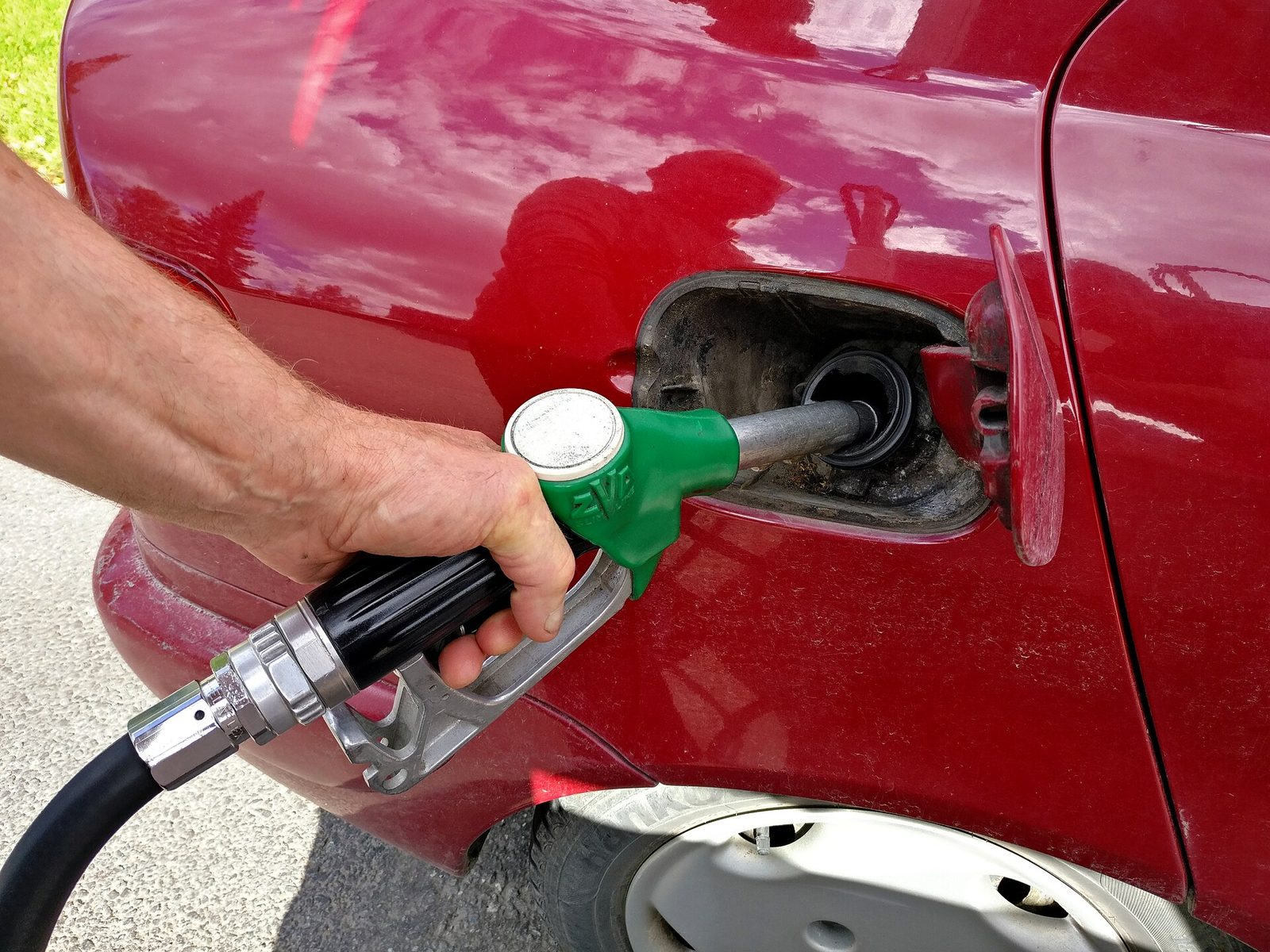
As of October 7, 2026, AAA's national average for regular gas was about $4.37 a gallon. A 600-mile round trip in a minivan that gets 25 miles per gallon uses about 24 gallons, or roughly $105 at that price. Prices vary a lot by state, so check the average where you'll be driving, and add tolls and parking on top.
Lodging: compare the total, not the nightly rate
Good news here. Since May 12, 2025, the Federal Trade Commission's rule on unfair or deceptive fees has required hotels and vacation rental sites to show the total price, including required fees like resort and cleaning fees, up front. Taxes can still be added later, but you should no longer find a surprise resort fee at checkout. If you do, the FTC asks consumers to report it at ReportFraud.ftc.gov.
When you compare, look at:
- Total price for the whole stay, with taxes
- Parking, which is often a separate, optional charge
- Breakfast: a room with free breakfast can save a family a meaningful amount each morning
- A kitchen or fridge, which turns some restaurant meals into easy grocery meals

Activities: look for the free and the family deals
- National parks: children 15 and younger are not charged entrance fees, and an $80 America the Beautiful annual pass for U.S. residents covers entrance fees for a year. If you have a fourth grader, the Every Kid Outdoors pass is free. Our national parks with kids guide has the details.
- Theme park extras: special events can add up fast. For example, Mickey's Very Merry Christmas Party tickets are $189 to $229 per ticket plus tax in 2026, on top of regular park days. Our Disney and Universal holiday events guide shows which events are included with a regular ticket.
Step 4: Watch for the hidden costs
These are the line items that sneak past most budgets:
- Airport food and snacks. Pack your own empty water bottles and snacks; TSA lets you bring solid food through security.
- Missing ID fees. Starting February 1, 2026, an adult who arrives at a TSA checkpoint without an acceptable ID can pay $45 for TSA ConfirmID, with no guarantee of getting through. Check every adult's ID before you go.
- Phone and data. International trips can bring roaming charges. Check your plan before you leave.
- Tips for housekeeping, tour guides, shuttle drivers and restaurants.
- "While we're here" purchases: sunscreen, ponchos, a phone charger. Packing a good list saves a surprising amount; our printable family packing checklist is a good start.
Step 5: Track it on the trip (the easy way)
The best tracking system is the one you'll actually use while chasing a toddler. Keep it simple:
- Use one card for the whole trip if you can. It makes every expense easy to find later.
- Snap a photo of each receipt right away, or log the expense in your trip planner while you're still at the counter.
- Do a two-minute check each evening. Total today's spending against your daily food and fun numbers. If you went over at lunch, plan a picnic tomorrow. That's it.
- Divide the food budget by days, so you always know what "on track" looks like for today.

Give the kids their own budget
Here's a trick that saves both money and arguments: give each child their own souvenir budget before the trip. It can be cash in an envelope, or a number you track for them. The rule is simple: when it's gone, it's gone, and anything left over is theirs to keep.
Kids suddenly become very careful shoppers when it's their money. It also turns "Can I have this?" at every gift shop into "Is this worth it?", which is a pretty great lesson to bring home.
Your family vacation budget checklist
- Total trip budget chosen (the number that won't stress you out)
- Each category has a number, including a cushion
- Flights priced with bags and seats, or gas priced with the formula
- Lodging compared on total price with fees and taxes
- Must-do activities booked first
- Every adult's ID checked
- Each child's souvenir budget set
- One card and one place to log receipts
- A two-minute evening money check on the daily plan
The bottom line
A good family vacation budget is mostly decided before you leave: one total number, a few honest categories and a little cushion. On the trip, all you need is a quick daily check. The reward is a vacation where you can relax, because you already know the money side is handled.
Vacation Hub has a budget, money and receipts section built into each trip, right next to your day-by-day plan and reservations, so the whole family can see where things stand. You can see it all in our Vacation Hub walkthrough video. We're a small family business in Mesa, Arizona, and if you have a question, the owner, Johnathon Lawson, answers support personally at [email protected].
Keep planning
Thanksgiving on a Budget for Big Families: Fly, Drive or Stay Put in 2026?
A Thanksgiving budget for big families in 2026: real airfare, gas and bag-fee numbers, fly-vs-drive math for a family of six, and where large families save most.

Cheap Family Travel: Where to Save, What's Free and Where Families Overspend
Cheap family travel tips for 2026: off-peak timing, free and kids-free deals, the last NPS free days, points basics and the places families overspend most.
Route 66 by RV With Kids: An Arizona Centennial Plan (and the Grand Canyon RV Park Closure)
Taking the RV or camper on Route 66 for its 100th birthday? An Arizona plan for families, with the Grand Canyon RV park closure and the 40-foot Oatman limit.