Solo Parent Road Trip With Kids: The One-Driver Plan for Fall and Thanksgiving
A solo parent road trip with kids, planned for one driver: sleep, a two-hour stop schedule, safe gas and bathroom stops, and a no-reach rule for the back seat.
Most road trip advice quietly assumes there are two adults in the front seat. One drives, the other hands back snacks, finds the dropped stuffed giraffe, reads the map and says "you look tired, want me to take over?"
A lot of families do not travel that way. The Census Bureau counted about 10.2 million one-parent families with children under 18 in 2025 (Census data published by the St. Louis Fed).
It is also very doable. You just need a plan built for one driver instead of two. The timing is good, too: the National Sleep Foundation's Drowsy Driving Prevention Week runs November 1 to 7, 2026, clocks fall back on Sunday, November 1 in most of the country (NIST), and Thanksgiving is November 26. That means earlier darkness right as the biggest family drive of the year arrives.
Here is the one-driver plan, step by step.
Rule 1: You are the only driver, so you are the most important thing in the car
With two adults, a tired driver can swap. Alone, there is no swap. That makes your sleep the single most important item on the packing list.
The National Highway Traffic Safety Administration says drowsy-driving crashes killed 644 people in 2024, and it notes that the real number is widely believed to be higher because drowsiness is hard to prove after a crash. The National Sleep Foundation adds a detail that will not surprise any parent: on its drowsy driving page, it reports that parents are more likely than non-parents to have driven drowsy.
So protect your sleep the way you protect the kids' car seats:
- Sleep seven to eight hours the night before. That is NHTSA's number, and it says plainly that before a long family car trip you should get a good night's sleep or you could put your whole family at risk.
- Pack the car the day before, not at midnight. The classic solo-parent mistake is staying up until 1 a.m. loading bags, then driving six hours on five hours of sleep. Our person-by-person packing checklist helps you finish early.
- Check your medicine labels. NHTSA says to check prescription and over-the-counter labels for drowsiness. Allergy and cold medicines are common culprits in the fall.
- Skip the heroic start time. Leaving at 4 a.m. "so the kids sleep" sounds smart, but NHTSA says drowsy-driving crashes happen most often between midnight and 6 a.m. and in the late afternoon, when the body's clock dips. A 7 or 8 a.m. start after a full night is the safer plan for a lone driver.
Rule 2: Plan the day around the dangerous hours
NHTSA lists three things that drowsy-driving crashes have in common: they cluster in those two sleepy windows, they often involve a driver alone running off the road, and they frequently happen on rural roads and highways.
You cannot change the road, but you can change the clock. Build the day so you are parked during the late-afternoon dip:
| Time | What the one-driver day looks like |
|---|---|
| 7:30 a.m. | Leave after a real breakfast and a home bathroom stop |
| 9:30 a.m. | Stop 1: bathrooms, 15 minutes of running around |
| 11:30 a.m. | Stop 2: lunch out of the car, 30 to 45 minutes |
| 1:45 p.m. | Stop 3: bathrooms, refill water, stretch |
| 3:30 p.m. | Stop 4: the long one. Playground or park, snack, and a rest for you |
| 5:00 p.m. | Arrive, or be within the last easy hour |
That spacing is not random. AAA's drowsy-driving advice is to schedule a break every two hours or every 100 miles, and to stop sooner if you notice any warning signs.
Two more one-driver rules for the schedule:
- Cap the day. Pick a maximum number of driving hours you can honestly handle alone and split anything longer across two days. A cheap motel halfway is a safety feature, not a luxury.
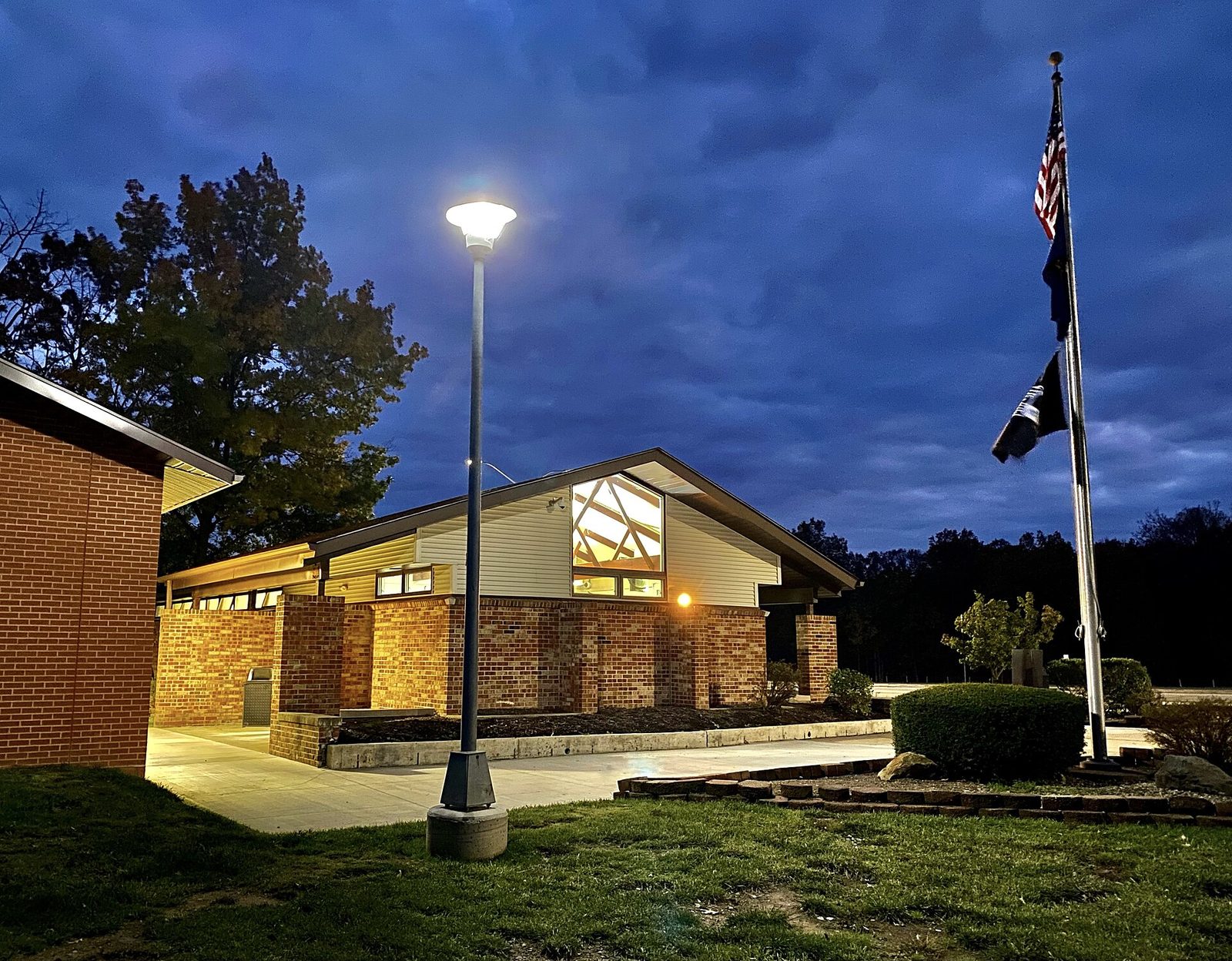
- Aim to arrive before dark. After the clocks change on November 1, evening comes an hour earlier by the clock in most states. (Most of Arizona does not change clocks, according to NIST, but your destination might, so check the time zone before you promise Grandma a dinner hour.)
Rule 3: Know the warning signs, because nobody else is watching you
AAA points out that a passenger can tell you when you are showing signs of sleepiness. You do not have that adult passenger, so memorize the list yourself. AAA's warning signs include:
- You cannot stop yawning
- Your eyes close or go out of focus on their own
- You have wandering, disconnected thoughts
- You do not remember driving the last few miles
- You drift between lanes, tailgate or miss traffic signs
- You keep jerking the car back into the lane
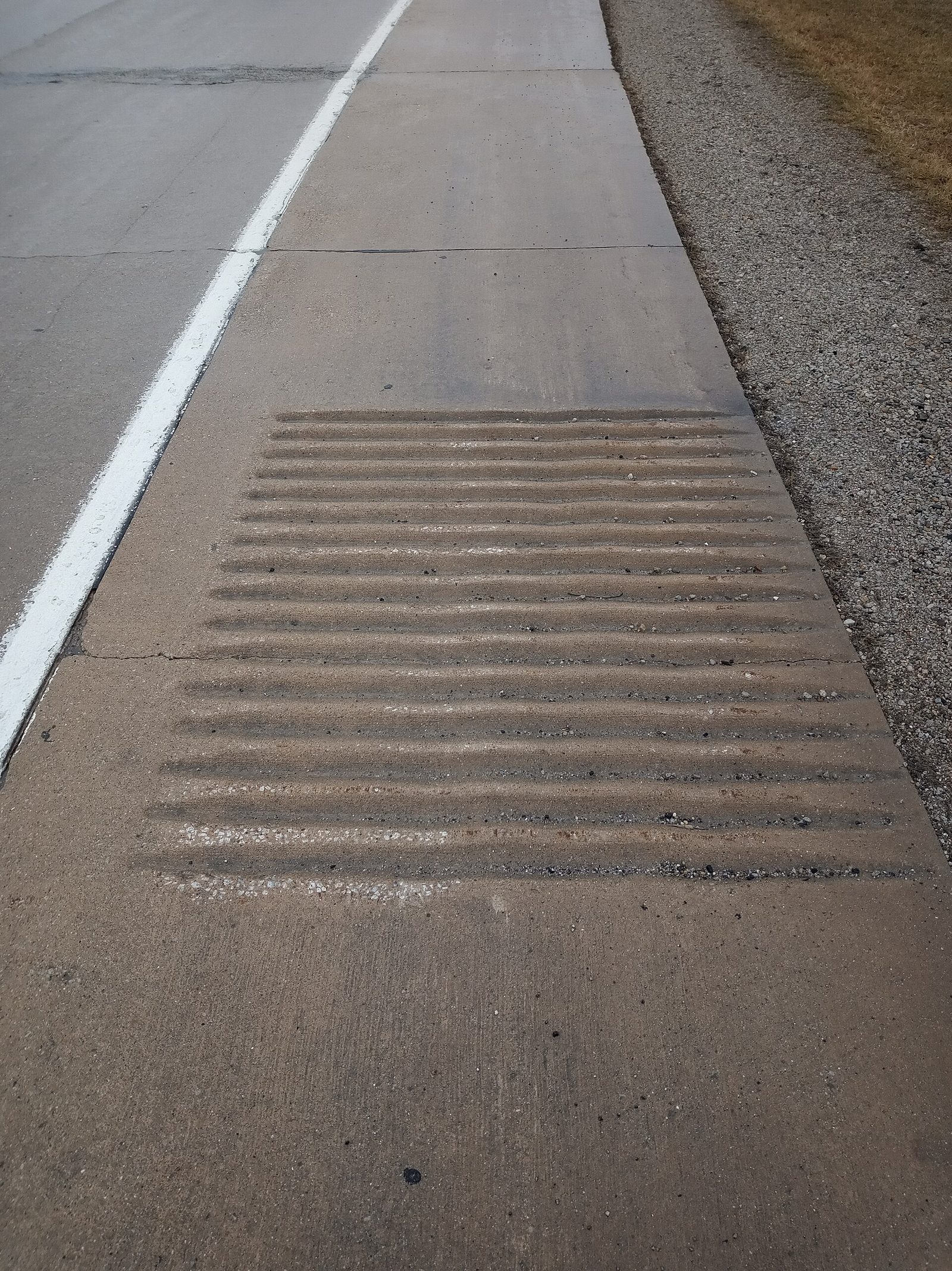
NHTSA adds one you can hear: hitting a rumble strip. If your tires touch one, treat it as the trip telling you to stop.
What to do when a sign shows up
Do not open the window and turn up the radio. NHTSA's advice is specific: drink one to two cups of coffee and pull over for a short 20-minute nap in a safe place, such as a lighted, designated rest stop. It also warns that coffee alone is not enough. A seriously sleep-deprived driver can still have "micro sleeps" of four or five seconds, which at 55 miles per hour is more than 100 yards of road with nobody driving.
The honest limit: a 20-minute nap is hard with kids in the car. Older kids can handle "quiet time, headphones on, doors locked, I am resting my eyes." With little ones, you may not get a nap at all. In that case the stop itself is the fix: get everyone out, walk, eat something, and if you still feel foggy, that is your stopping point for the day. Book the nearest room and finish tomorrow.
Rule 4: The no-reach rule
Here is the part two-adult families never think about. When a sippy cup hits the floor at 70 miles per hour, there is no one to pick it up but you, and you are driving.
NHTSA's definition of distracted driving is any activity that takes attention from driving, and its list includes eating and drinking, talking to people in your vehicle and fiddling with the entertainment or navigation system. NHTSA counted 3,208 people killed in crashes involving distracted drivers in 2024.
So set one family rule before the car moves: the driver never reaches into the back seat. Ever. Then make the rule easy to keep:
- Everything within the kids' reach. Each child gets a bin or bag beside them with their snacks, water bottle, wipes, headphones and a few toys. If they can reach it, you do not have to.
- Dropped means gone until the next stop. Say it kindly and say it every time. Kids adapt faster than you expect.
- Set navigation and the playlist while parked. Start the route, queue the audiobook, then shift into drive.
- Make an older child the co-pilot. A nine-year-old can be in charge of passing things to a sibling, counting down to the next stop and spotting the exit sign. Kids love a job with a title.
When something truly cannot wait, such as a crying baby, a sick stomach or a fight that has turned physical, take the next exit and park. Pulling over costs five minutes.
Rule 5: Gas and bathroom stops with no second adult
This is the question solo parents ask most: what do I do with the kids when I need the restroom or the car needs gas?
Start with the rule that does not bend. NHTSA's child heatstroke guidance says to never leave a child in a vehicle unattended for any length of time, and that rolling the windows down or parking in the shade does little to change the temperature inside. A child's body temperature rises three to five times faster than an adult's, and NHTSA reports that 31 children died of heatstroke in vehicles in 2025.
That gives you a simple stop routine:
- Everybody out, every stop. If you go inside, they go inside.
- Pay at the pump. You stay beside the car with the kids in sight, and nobody has to unbuckle for a fuel-only stop.
- Use the family restroom. Many rest areas and travel centers have one. If there is not one, bring the kids into the stall area with you; older kids wait right outside your door, not outside the building.
- Fuel at half a tank. You never want to be forced into a stop that feels wrong because the light came on. Half a tank means you can skip a station and choose the next one.
- Pick busy, well-lit places. A big travel center on the interstate beats a lonely pump two miles off the exit, especially after dark.
Rule 6: Someone at home rides along
A second adult in the car is also a safety net. Build that net another way:
- Text one trusted person your route, your planned stops and your arrival time before you leave.
- Share your phone's live location with them for the day.
- Check in at each stop with a one-word text. It takes ten seconds.
The one-driver checklist
- Seven to eight hours of sleep the night before; car loaded by dinner time
- Medicine labels checked for drowsiness
- Stops written down every two hours, with a long one in the late afternoon
- A daily driving cap, and a halfway overnight if the trip is longer
- A reach-it-yourself bin beside every child
- Navigation, playlist and audiobook started before shifting into drive
- Phone mounted, do-not-disturb on
- Route and arrival time sent to one person at home, location sharing on
- Permission given to yourself to stop early
For the rest of the car, including the trunk kit, snack boxes and car-sickness tips, see our family road trip survival guide. If your drive is the Thanksgiving one, Thanksgiving travel 2026 with kids covers the busiest days and when to leave.
You are enough crew for this trip
Driving alone with kids is not a lesser version of a family road trip. It is the same trip with a tighter plan: sleep first, stop often, never reach back, and let someone at home know where you are.
If you want the plan off your shoulders, Vacation Hub builds a day-by-day itinerary around your kids' ages and naps, shows drive times and leave-by times for each leg, and offers live check-ins with phone alerts so the people you choose can follow along. Here is the app in 60 seconds. We are a small family business in Mesa, Arizona, with real-person support from the owner, Johnathon Lawson: [email protected]. And if you need car gear before you go, look through our own store, AZ Sun Valley Sales, first.
Safe travels. You have got this.
Keep planning
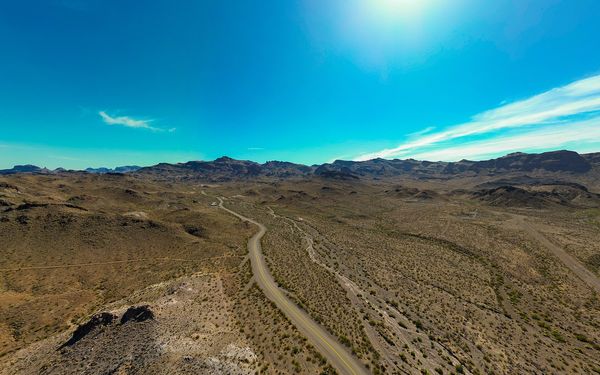
Route 66 by RV With Kids: An Arizona Centennial Plan (and the Grand Canyon RV Park Closure)
Taking the RV or camper on Route 66 for its 100th birthday? An Arizona plan for families, with the Grand Canyon RV park closure and the 40-foot Oatman limit.
Road Trip With Kids and a Dog: The Family Plan for Fall and the Holidays
A road trip with kids and a dog, planned for the holidays: hot-car facts, a safe back-seat setup, state pet rules, national park dog rules and a two-hour stop rhythm.
The Family Road Trip Survival Guide: Car Kit, Stops, Screens and Snacks
A family road trip survival guide for fall break and Thanksgiving: the car kit, a kid-friendly stop schedule, screen rules, snack plan and car-sickness tips.