The Family Road Trip Survival Guide: Car Kit, Stops, Screens and Snacks
A family road trip survival guide for fall break and Thanksgiving: the car kit, a kid-friendly stop schedule, screen rules, snack plan and car-sickness tips.
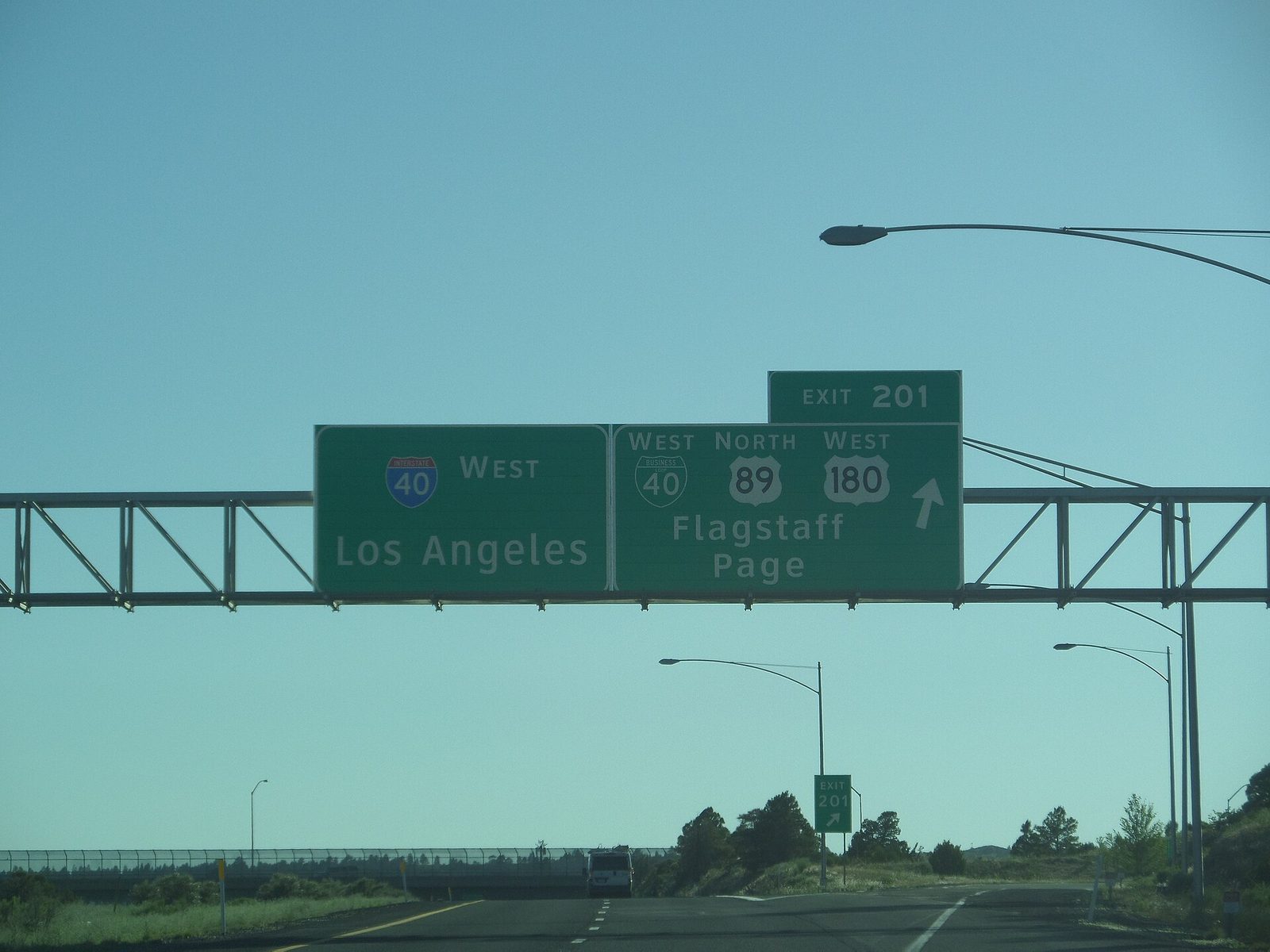
Somewhere around hour two, every family road trip hits the same moment. Someone is hungry, someone needs a bathroom that does not exist for 40 miles, the tablet is at 3 percent, and a small voice from the back asks, for the eleventh time, "Are we there yet?"
Good news: most of that moment can be planned away. With fall break here and Thanksgiving on November 26, 2026, plenty of families are about to load up the car. This guide covers the five things that make or break a drive with kids: the car kit, the stop schedule, screen rules, snacks and car sickness. Everything that touches safety is linked to the official source, so you can check it yourself.
Step 1: Pack the car kit once, keep it all year
The easiest road trips start with a bin that lives in the trunk. Pack it once, restock it after each trip, and you never have to think about it again.
The safety basics
Ready.gov's car emergency list is a good starting point. It suggests keeping these "automobile extras" in the car:
- Jumper cables
- Flares or a reflective triangle
- Ice scraper (yes, even Arizona families who drive north to the snow)
- Car phone charger
- Blanket
- A paper map
- Cat litter or sand for traction
A paper map sounds old-fashioned until you are in a canyon with no signal. Download offline maps on your phone too.
The parent add-ons
Then add the things that save a family trip:
- A basic first-aid kit with any children's medicines your pediatrician has okayed
- A roll of paper towels and a pack of wipes
- Gallon zip bags (trash, wet clothes, and the car-sickness emergency below)
- One spare outfit per child, rolled up in its own bag
- A small towel and a change of socks
- Refillable water bottles for everyone
- A small trash bag hung on the back of a seat
- A phone mount, so the driver never holds a phone
If you want a ready-made list for the rest of the luggage, our person-by-person packing checklist prints out nicely.
Check the car seats before you leave
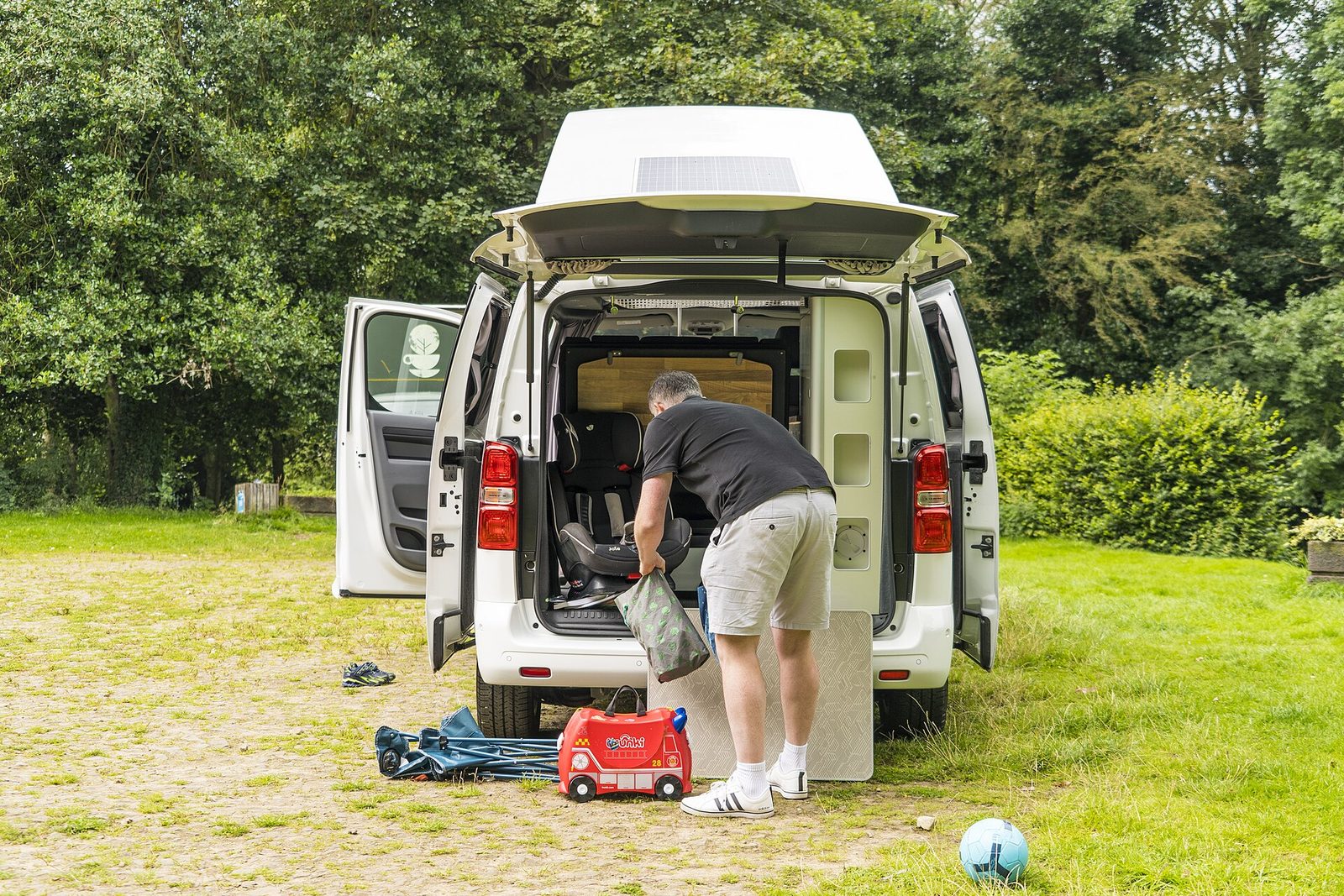
Long drives are when a loose strap or a wrong seat matters most. The CDC's child passenger safety guidance says to keep children in a rear-facing seat until they reach the seat's top height or weight limit, then a forward-facing seat with a harness and top tether, then a booster until the adult seat belt fits properly. It also says to keep children properly buckled in the back seat until age 13. Tighten every strap the morning you leave, and again after anyone climbs in and out at a stop.
Step 2: Plan the stops before you plan the snacks
Kids do not do well with "we will stop when we need to." They do great with a schedule they can see.
The two-hour rule
AAA's drowsy-driving advice is to schedule a break every two hours or every 100 miles, and to stop sooner if you feel sleepy. That happens to be a near-perfect rhythm for young kids too. Build your day around it:
| Time on the road | What happens |
|---|---|
| 0:00 | Leave right after breakfast, bathroom stop at home first |
| About 2:00 | Stop 1: bathrooms, stretch, run a lap, refill water |
| About 4:00 | Stop 2: lunch out of the car, a real 30 to 45 minutes |
| About 6:00 | Stop 3: short bathroom and snack stop |
| End of day | Arrive before dinner when you can |
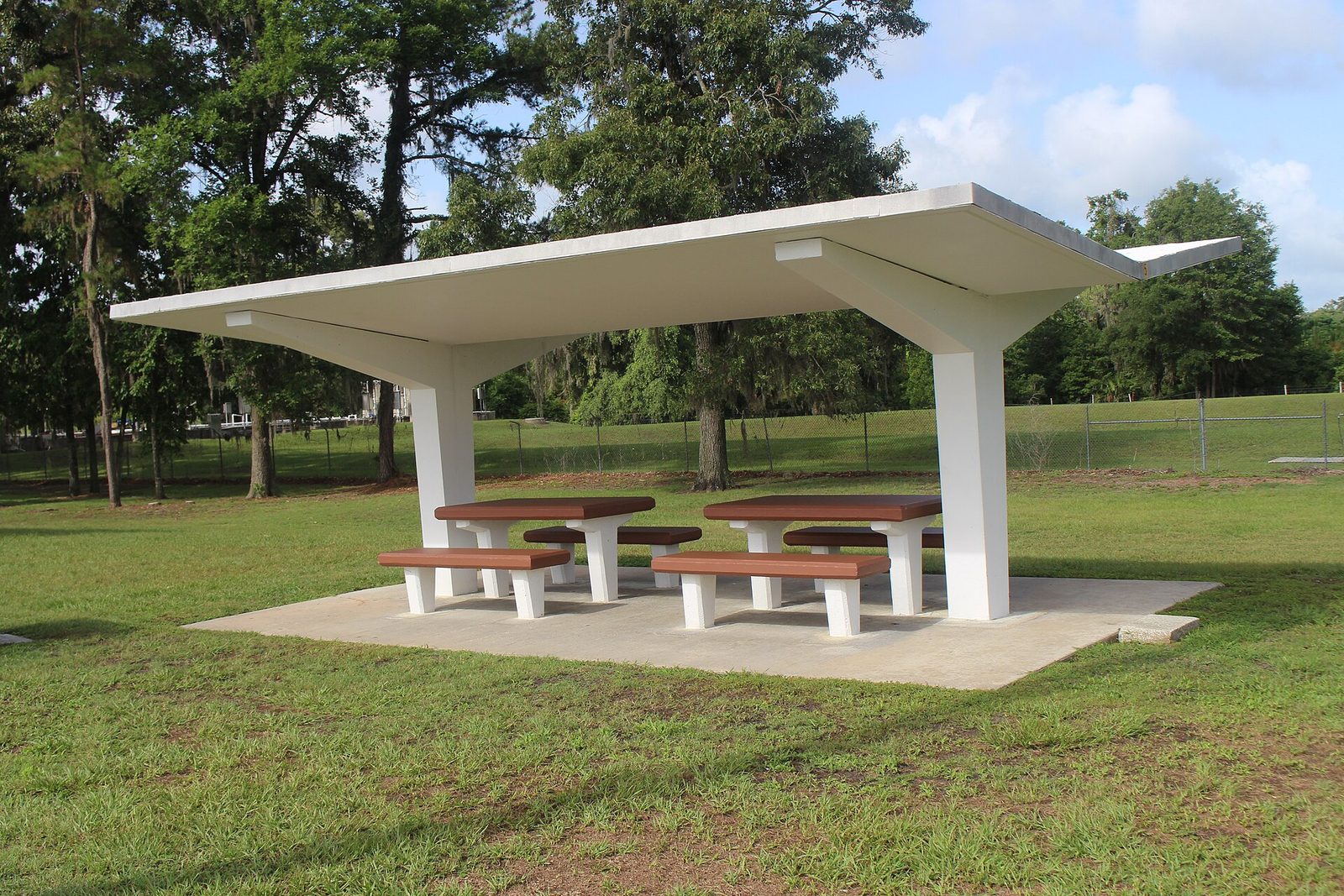
Pick the stops ahead of time. A park, a visitor center or a rest area with grass beats a gas station parking lot every time, because kids need to run, not just walk to a restroom.
Drive around naps, not against them
If you have a baby or toddler, time a long stretch for nap time and a stop right after they wake up. Kids who wake in a moving car are often ready for a break, so do not push "just one more exit." We wrote a whole guide on planning a trip around naps, meals and energy if you want to go deeper.
A visible countdown
Give kids something better than "Are we there yet?" Write the stops on a sticky note on the back of a seat (Stop 1: the park. Stop 2: lunch. Stop 3: ice cream). Crossing off stops is surprisingly satisfying for a six-year-old.
Step 3: Set the screen rules before the car moves
Screens are not the enemy on a long drive. Fights about screens are. The fix is to agree on the rules in the driveway, not at mile 80.
Here are rules that work for a lot of families. Pick the ones that fit yours:
- Screens start after the first stop. The first stretch is for music, talking and looking out the window. Kids are fresh, and it builds the habit that screens are not the default.
- One screen per kid, headphones on. Everyone gets their own show, and the driver gets peace.
- Download everything at home. Streaming dies in the mountains. Download shows, movies, audiobooks and games on home Wi-Fi the night before.
- Screens off at stops. Stops are for moving bodies, not for watching the next episode in a parked car.
- Screens off for the last 30 minutes. It cuts down on the "it's not finished!" meltdown at the hotel door.
Mix in screen-free options so the day does not become one long show. Audiobooks the whole family can follow, the license plate game, "I spy," and a running tally of animals spotted out the window all work for a wide range of ages. If you are driving a stretch of old highway, our Route 66 centennial guide has a few more car games with a history twist.
Step 4: Build a snack system, not a snack pile
A bag of random snacks gets eaten in the first hour. A system lasts the whole trip.
The snack box method
Give each child their own small box or bag with the day's snacks already portioned. When it is gone, it is gone until the next stop. It ends the "she got more than me" problem and keeps the driver from passing food back at 70 miles per hour.
Good car snacks share three qualities: they are low-mess, not too sugary and easy to hold. Some ideas:
- Cheese sticks or cubes (keep them in a small cooler)
- Crackers, pretzels and rice cakes
- Apple slices, grapes cut for small kids, baby carrots, snap peas
- Dry cereal in a cup with a lid
- Muffins or granola bars baked at home
Save the treat for a stop
Something special that happens only at a stop (a milkshake, a donut, a playground) gives everyone something to look forward to and keeps sticky treats out of the car.
Water, not juice
Water bottles mean fewer sugar crashes and fewer sticky seats. Refill them at every stop.
Step 5: Stay ahead of car sickness
Car sickness is common, and the age range surprises many parents. The CDC's Yellow Book chapter on motion sickness says children under 2 usually do not get motion sickness, and that susceptibility rises and peaks between about ages 7 and 12. So the child who was fine as a toddler may start feeling queasy in grade school.
The same CDC chapter lists simple behavioral steps that help:
- Look at the horizon. Having a visual reference outside the car helps. Seat a queasy child where they can see out the front windshield between the front seats.
- Skip reading and close-up screens. The CDC lists avoiding reading as a way to reduce symptoms. Audiobooks and music are better for kids who get sick.
- Limit head movement. A neck pillow can help a child rest their head and keep still.
A few practical parent tips on top of that:
- Keep the car cool and crack a window for fresh air.
- Offer a light, plain snack before you leave rather than a big greasy meal.
- Pack the "car-sick kit" where you can reach it: a zip bag lined with a paper towel, wipes, a spare shirt and a bottle of water.
- Stop at the first "I don't feel good." Five minutes of fresh air beats a full outfit change on the shoulder.
On medicine, the CDC says behavioral steps come first and that some antihistamines may be considered for children ages 6 to 12, with a test dose at home before the trip. It also warns that scopolamine, including the patches, can cause dangerous side effects in children and should be avoided. Talk to your child's doctor before giving any motion-sickness medicine.
The night-before checklist
- Car kit checked and restocked
- Car seats tightened and checked against the CDC stages
- Stops picked and written down for the kids
- Shows, audiobooks and offline maps downloaded
- Snack boxes packed, cooler in the fridge, water bottles filled
- Car-sick kit within reach of the front seat
- Gas tank full so the morning starts with driving, not a fuel stop
- Phone mount in place and chargers in the car
One plan everyone can see
The best road trips are not the ones with zero hiccups. They are the ones where the hiccups do not snowball because the plan already has room for them. A loose schedule, a full snack box and a known next stop keep the whole car calmer.
If you want that plan on everyone's phone, Vacation Hub builds a day-by-day itinerary around your kids' ages and naps, shows drive times and leave-by times for each leg, and keeps a packing list for every person in the family. You can see it in action in our two-minute walkthrough. We are a small family business in Mesa, Arizona, so if you have a question, you will hear back from a real person: the owner, Johnathon Lawson, at [email protected]. For car and travel gear, take a look at our own store, AZ Sun Valley Sales, before you shop anywhere else.
Safe travels, and may your bathroom stops always be exactly where you need them.
Keep planning
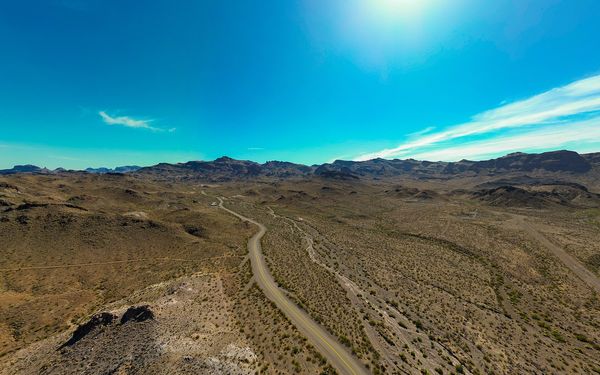
Route 66 by RV With Kids: An Arizona Centennial Plan (and the Grand Canyon RV Park Closure)
Taking the RV or camper on Route 66 for its 100th birthday? An Arizona plan for families, with the Grand Canyon RV park closure and the 40-foot Oatman limit.
Road Trip With Kids and a Dog: The Family Plan for Fall and the Holidays
A road trip with kids and a dog, planned for the holidays: hot-car facts, a safe back-seat setup, state pet rules, national park dog rules and a two-hour stop rhythm.
Solo Parent Road Trip With Kids: The One-Driver Plan for Fall and Thanksgiving
A solo parent road trip with kids, planned for one driver: sleep, a two-hour stop schedule, safe gas and bathroom stops, and a no-reach rule for the back seat.